Available for new projects

From the server to the dashboard.

I plan, build and run digital systems — infrastructure, data model, application and reporting from one source. For companies that would rather not coordinate five different suppliers.

Neuss · Rhineland · Remote across DACH

  • 2006 working in web, IT and data since this year
  • 40+ web and software projects delivered
  • 1 point of contact — direct, no account layer
  • 0 third-party trackers on this site. Verifiable.

Services

Four layers. One point of contact.

The most expensive problems rarely sit in the technology itself. They sit in the handovers between hosting provider, agency, IT department and the people maintaining the spreadsheets. I cover all four layers myself — so those handovers do not exist.

I set up Linux servers, harden them and keep running them. Including the parts that tend to get skipped: deliverable email, backups that have actually been restored once, monitoring, and a plan for the day something fails.

  • Linux servers: setup, hardening, updates, maintenance
  • Docker & Coolify, reverse proxy, automated TLS certificates
  • Mail infrastructure: SMTP, SPF, DKIM, DMARC, deliverability
  • Backup strategy with a genuinely tested restore
  • Monitoring, log analysis, availability
  • Migrations and self-hosting instead of cloud lock-in
Scattered lists, grown legacy systems and third-party sources go into one clean data model — kept up to date automatically, instead of being reassembled by hand every month.

  • PostgreSQL & Supabase: schema, permissions, migrations
  • Import and ETL pipelines from external sources
  • Data cleaning, duplicate matching, consolidation
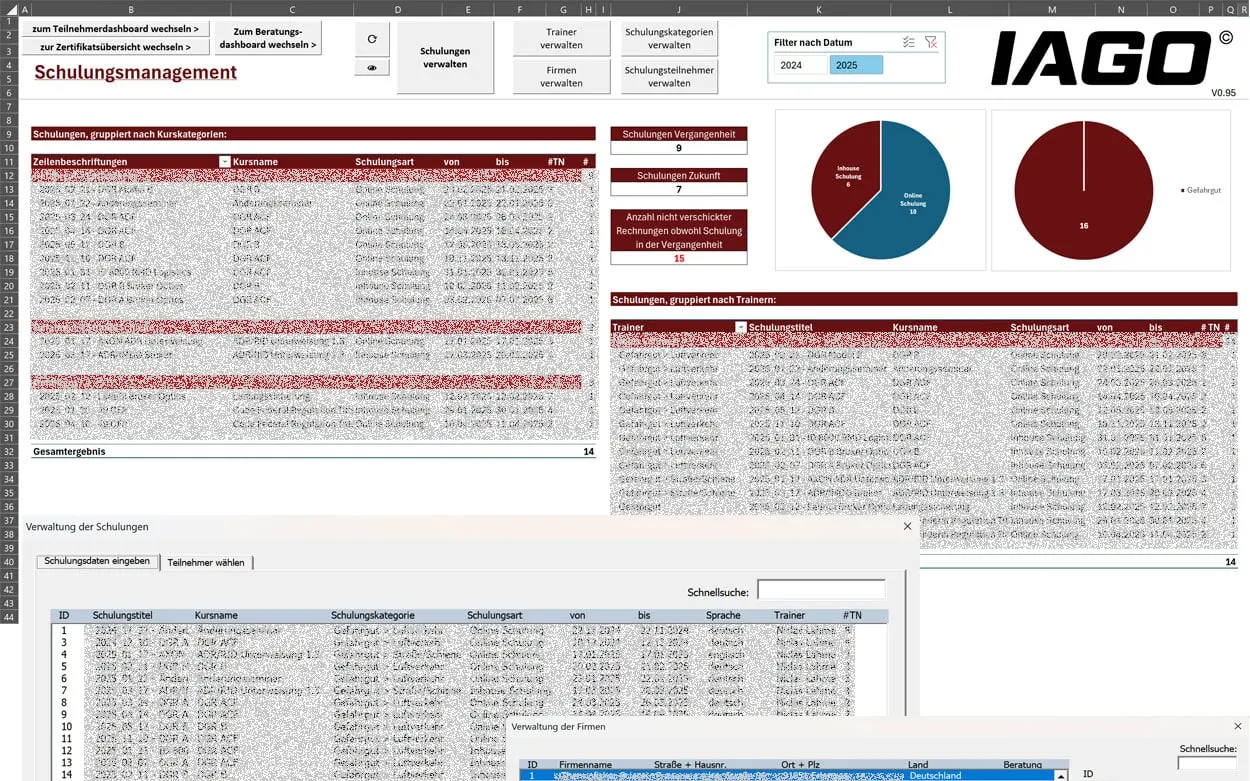
  • Excel and VBA automation for existing processes
  • Interfaces and APIs between systems
  • Recurring jobs instead of recurring manual work

From the corporate website to a bespoke web application: fast, multilingual, accessible and free of the technical debt nobody wants to touch two years later.

  • Web applications with React, TypeScript and Vite
  • Corporate websites, relaunches and WordPress
  • Multilingual content and editorial workflows
  • Performance, Core Web Vitals, technical SEO
  • Corporate design and consistent implementation
  • Responsive and accessible interfaces

Reporting and dashboards that genuinely get opened in daily work. And AI exactly where it measurably removes effort — enrichment, classification and routine — never as an end in itself.
  • Power BI: data model, DAX, dashboards
  • Automated reporting instead of monthly busywork
  • AI-assisted data enrichment and classification
  • LLM integration into existing processes
  • Analysis in Excel and in the browser
  • Metrics that actually enable a decision

Also part of the regular work

  • GDPR implementation
  • Domain & DNS management
  • Server migrations
  • WordPress maintenance
  • Data recovery & cleaning
  • Training
  • Technical consulting
  • Hardware selection
  • Process analysis
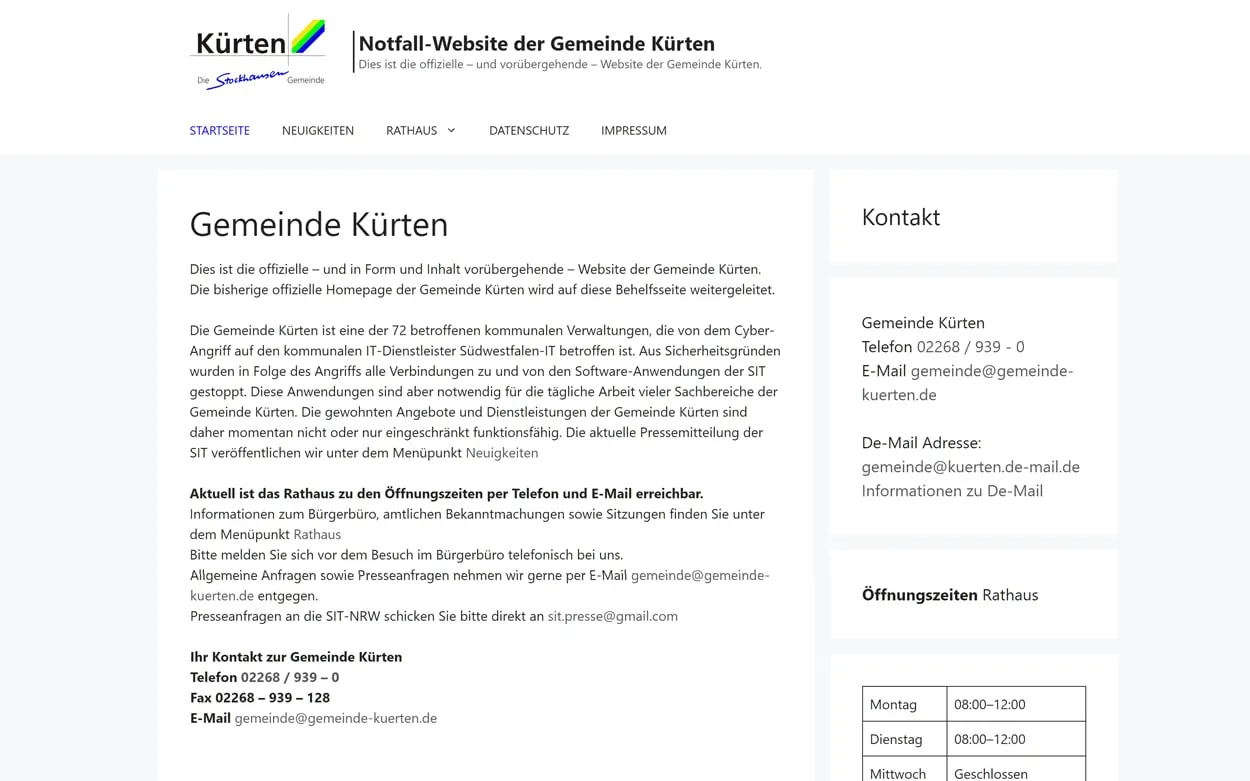
  • Emergency pages

AI in the business

The prototype is quick. Running it is the work.

An impressive demo can be built in an afternoon. What AI initiatives actually fail on is rarely the model — it is the data, the cost, the traceability and the question of who operates the thing tomorrow. Those four points are part of the job here.

  1. 01

    Data first, model second

    A language model is only as good as what it can reach. Before AI contributes anything useful, the data has to be clean, complete and queryable. I do not skip that part — more often than not, it is the actual job.

  2. 02

    Cost that stays predictable

    A single call costs almost nothing. The same call across a hundred thousand records costs a great deal. I define when a model runs at all, which model gets which task, and where a plain rule is cheaper and more reliable.

  3. 03

    Traceable, not magical

    Where AI decides something, you have to be able to see why. I build intermediate states, review steps and the option to reject a result — instead of a black box nobody can argue with.

  4. 04

    Data protection settled up front

    Not every company may hand customer data to a provider outside the EU. I clarify beforehand which data may leave the building, anonymise where necessary — and run models on self-managed infrastructure where that is the right answer.

I pick the model for the task, not for the brand

  • Claude (Anthropic)
  • GPT (OpenAI)
  • Gemini (Google)
  • Local models
  • RAG & retrieval
  • Structured outputs
  • Function calling
  • Prompt pipelines

Case study

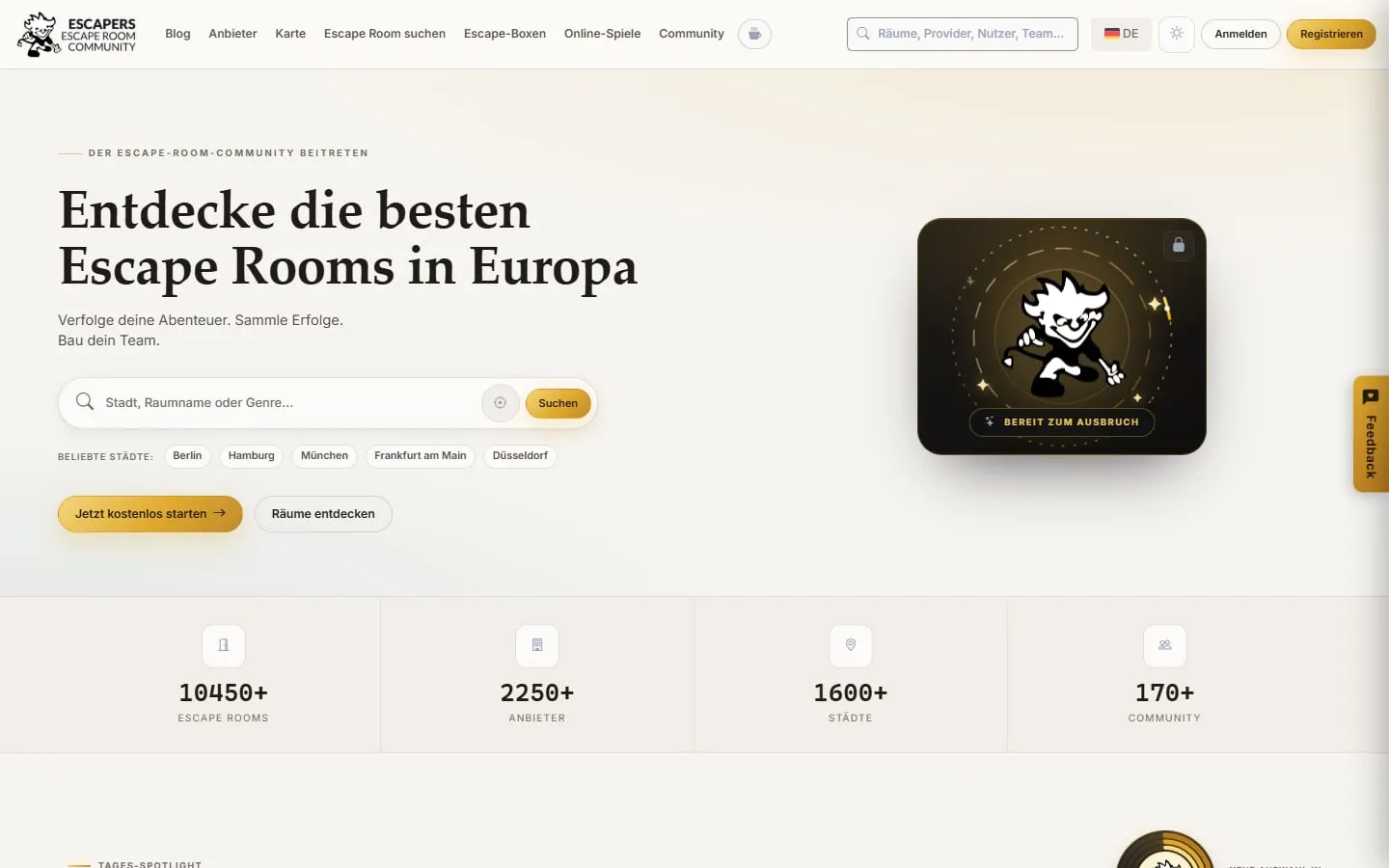
Escapers — an entire platform, run in-house

My role Concept, architecture, development and operations

  • 22 countries in one shared data model
  • Self-hosted Database, auth, storage, Git and CI/CD
  • 7 languages with a self-hosted translation service
  • AI on demand targeted enrichment, never a blind pass

01 Starting point

A Europe-wide directory for escape rooms needs thousands of maintained records from scattered, inconsistent sources. At the same time it has to be fast, multilingual and cleanly structured for search engines — and operating costs must not grow with every single record.

02 Approach

A collection pipeline gathers provider data and merges it through a data assistant: consolidation, duplicate checks, splits and health checks. The application itself is a React interface on a PostgreSQL database with row-level permissions, so providers can maintain their own locations without ever seeing anyone else’s data.

03 Operations

Database, authentication, file storage, translation service, Git hosting and the deployment pipeline all run on self-managed infrastructure. A complete backup covering database, storage and accounts is archived and can be restored selectively.

04 Outcome

No dependency on a single cloud vendor, no costs that scale per record, and full control over the data. Enrichment runs on Claude — deliberately not continuously, but on demand and behind an upstream data check. That keeps both quality and cost predictable.

Architecture at a glance

Every component runs on self-managed infrastructure — from collection to delivery.

External sources
Collection
Data assistant
Self-managed infrastructure
PostgreSQL
Auth & permissions
Storage
Translation
React application
Git & CI/CD
Backup archive

Technology used

  • React 19
  • TypeScript
  • Vite
  • PostgreSQL
  • Supabase
  • Row Level Security
  • TanStack Query
  • React Router
  • react-intl
  • Leaflet
  • Docker
  • Coolify
  • Forgejo Actions
  • LibreTranslate
  • Claude

Own products

An Excel file that grew into an application.

Tiveo · since 2026

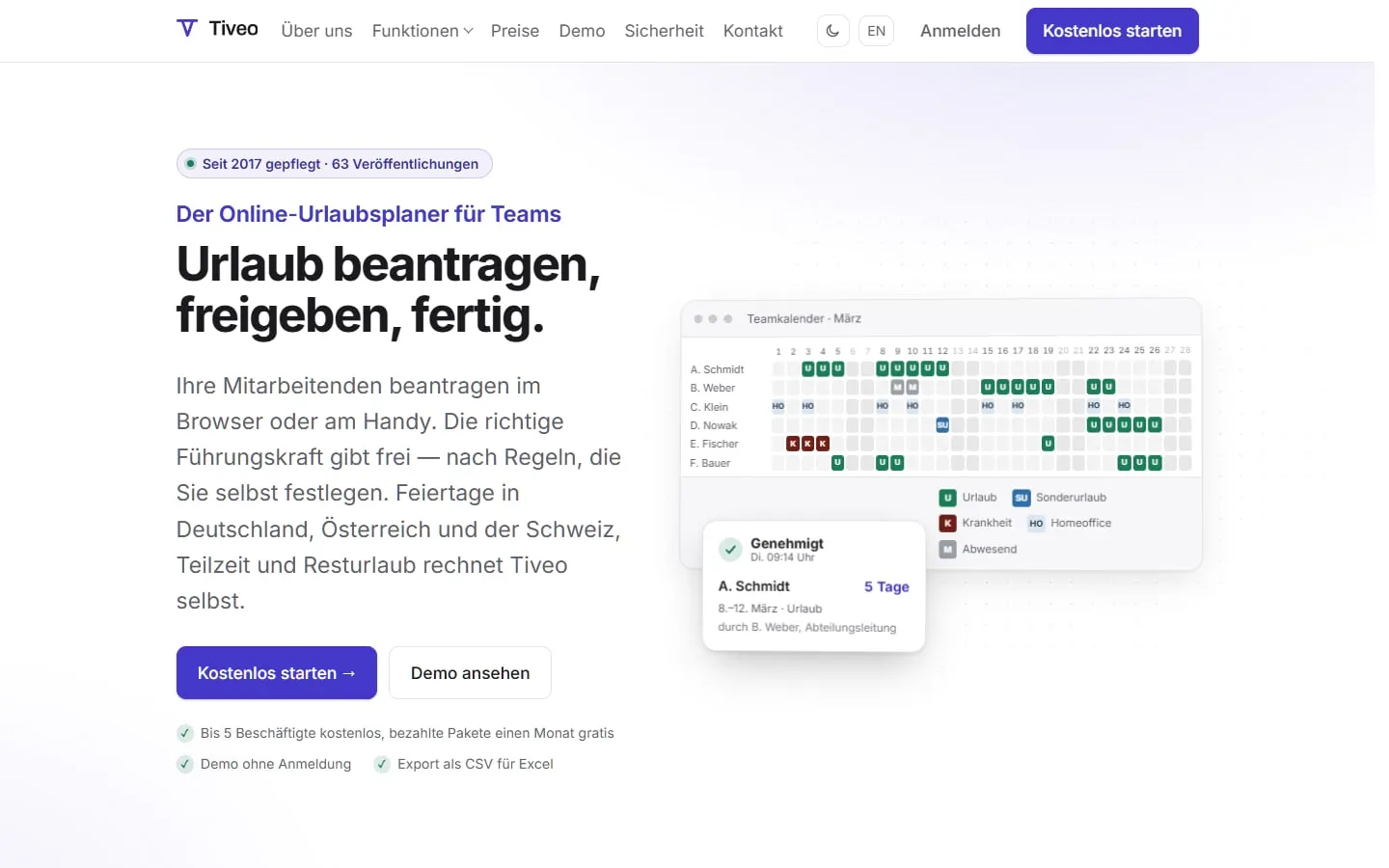
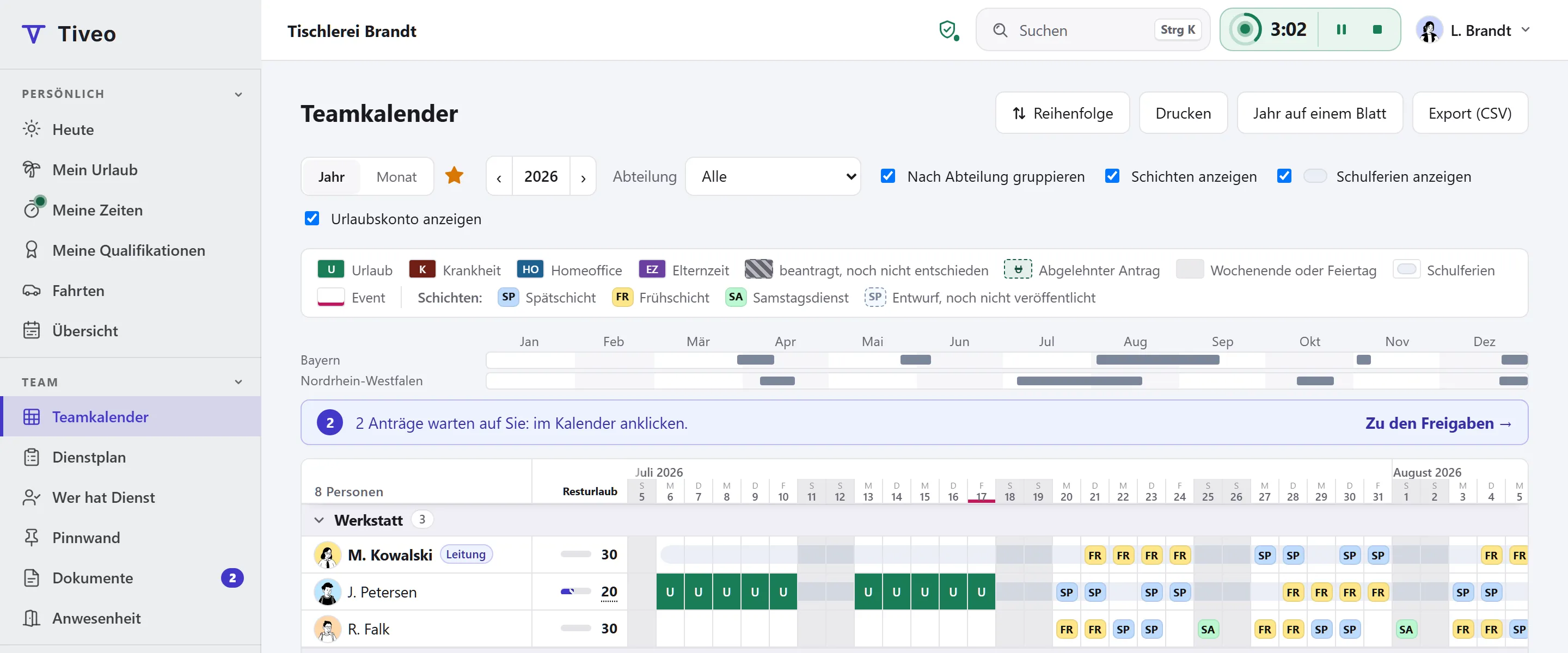
My newest product is Tiveo, leave planning, time tracking and shift planning for companies: employees request leave, clock in and see their shifts in the browser or on their phone, in ten languages; the right manager approves, and public holidays and remaining leave are calculated automatically. Concept, development and operations are mine — a multi-tenant PostgreSQL database with row-level access control, billing via Stripe, self-hosted on servers in Germany.

  • DE servers, database and operations in Germany, self-hosted
  • 20 min to move over from the Excel file, with a dry run first
  • €0 for teams of up to five employees, with no fixed term

Visit tiveo.de

Team calendar in Tiveo: employees grouped by department, remaining leave next to each name, school holidays for Bavaria and North Rhine-Westphalia shown as bars across the year, with the legend for leave, sickness, home office, parental leave and shifts.
Team calendar in Tiveo — departments, remaining leave, school holidays per state

Where it started · since 2017

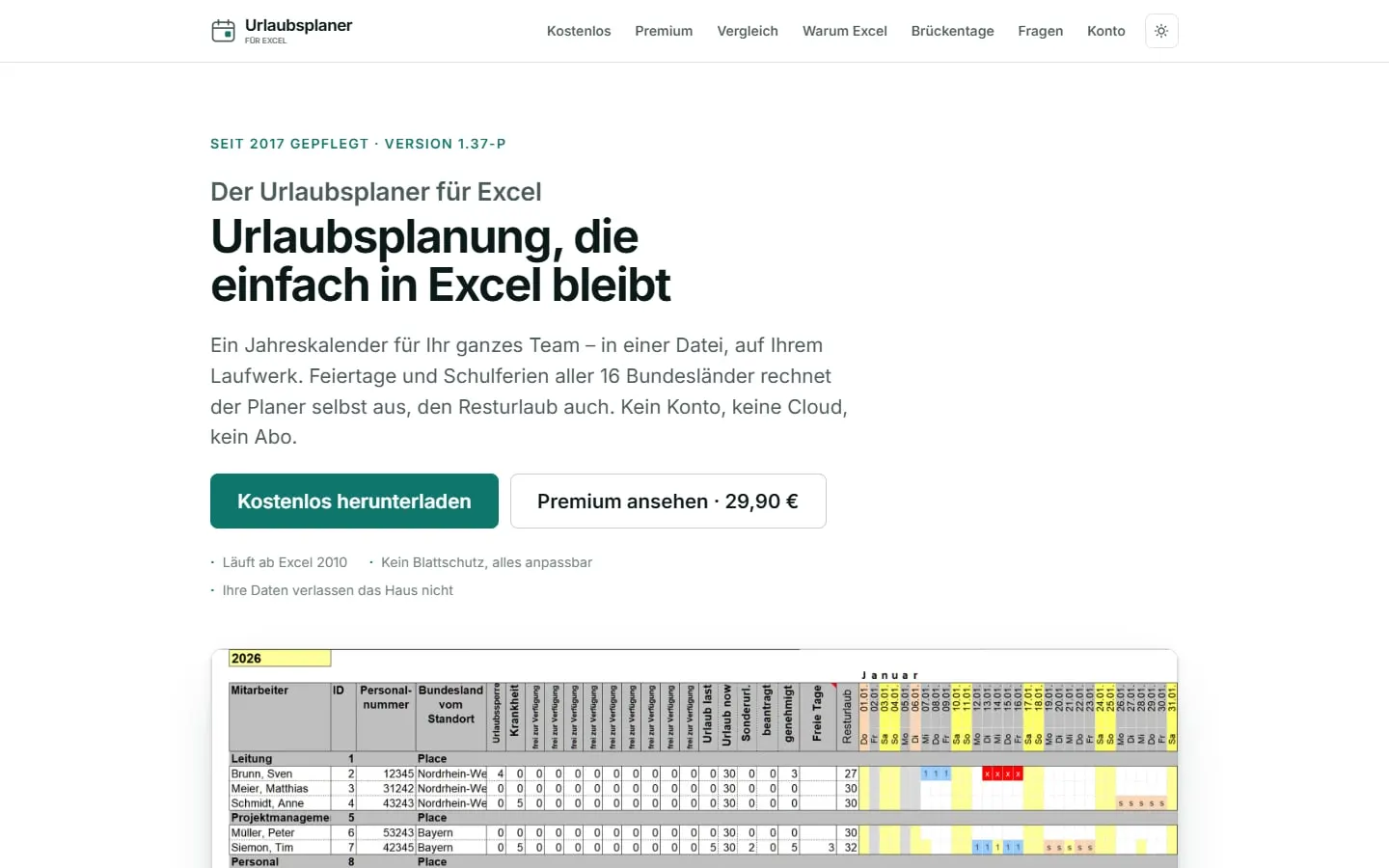
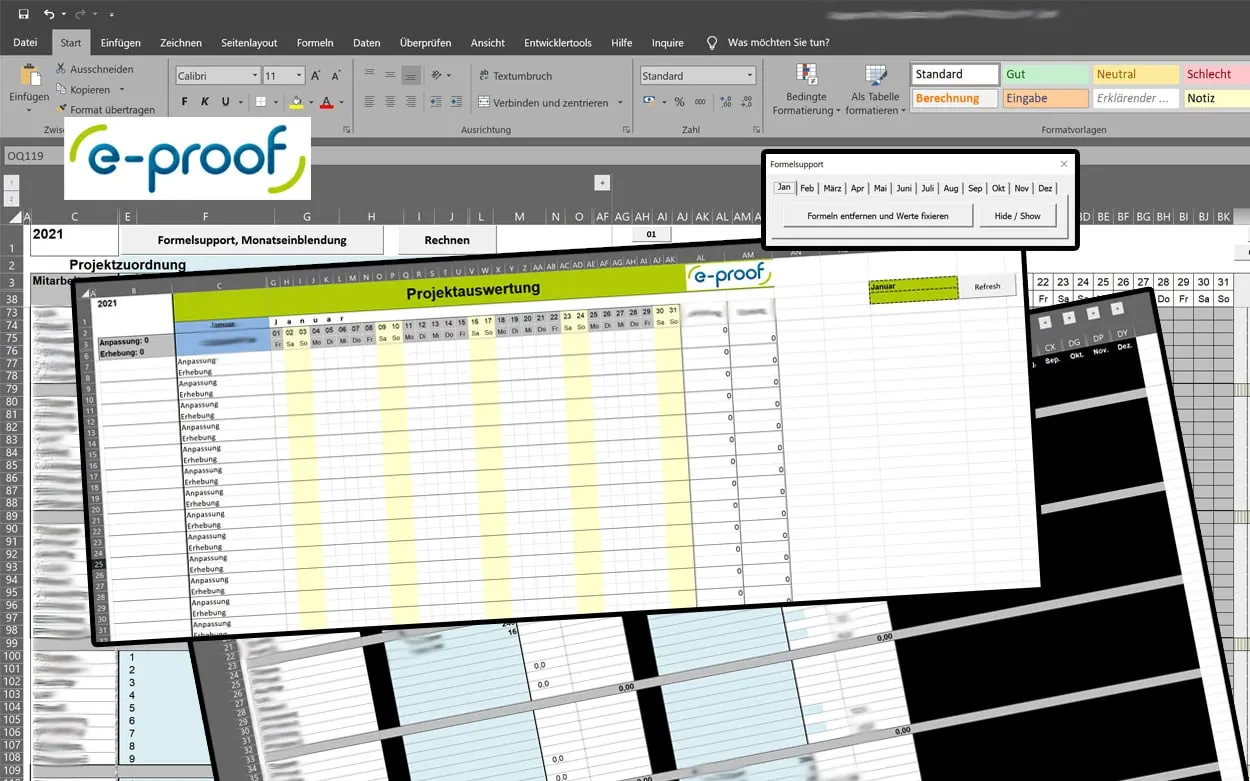
The leave logic behind it comes from my holiday planner for Excel — in use in companies and rebuilt across 67 published releases. It remains the right choice where one person does the planning and the data must stay in-house. The product site is in German.

  • 2017 maintained without a break since
  • 67 published releases, fully documented
  • 16 German states with holidays and school breaks
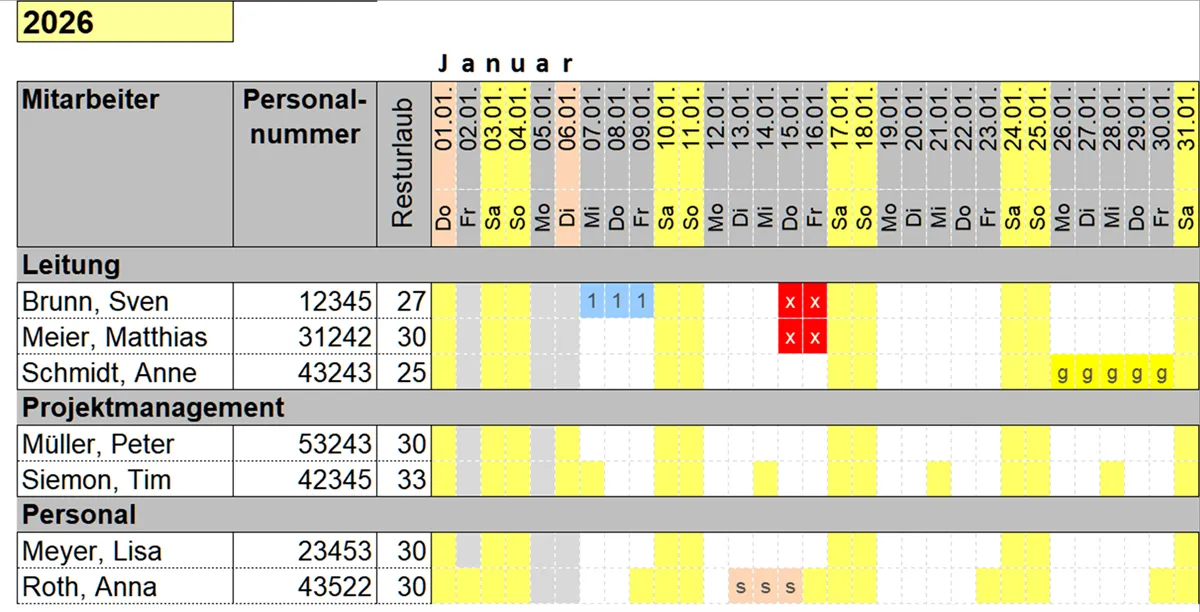
Year calendar in the Excel holiday planner: one row per employee with remaining leave, the days of January across the top. Public holidays yellow, school breaks grey, blocked days red, approved and planned leave marked in colour.
Year calendar of the free edition — January 2026

Work

Selected projects.

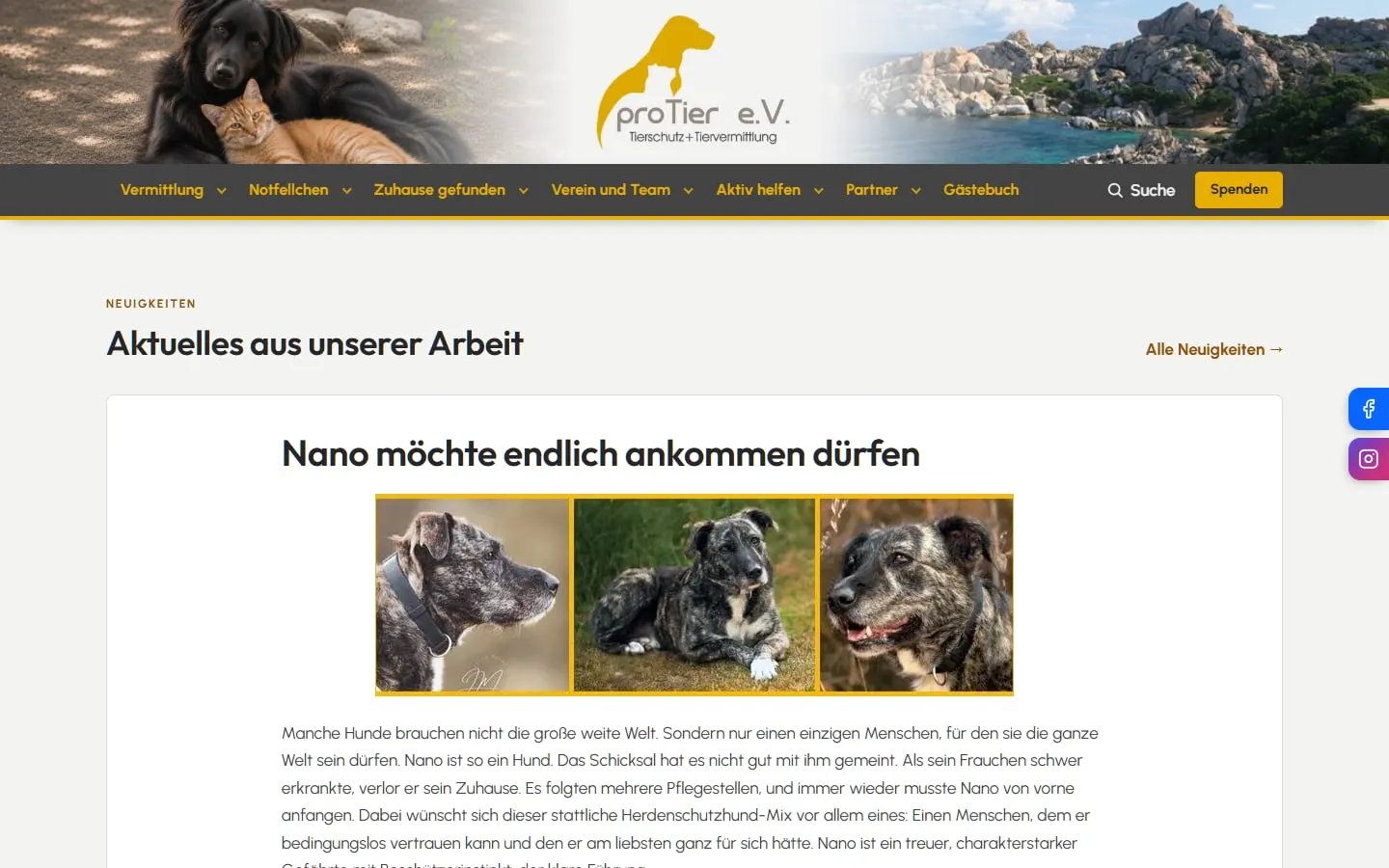
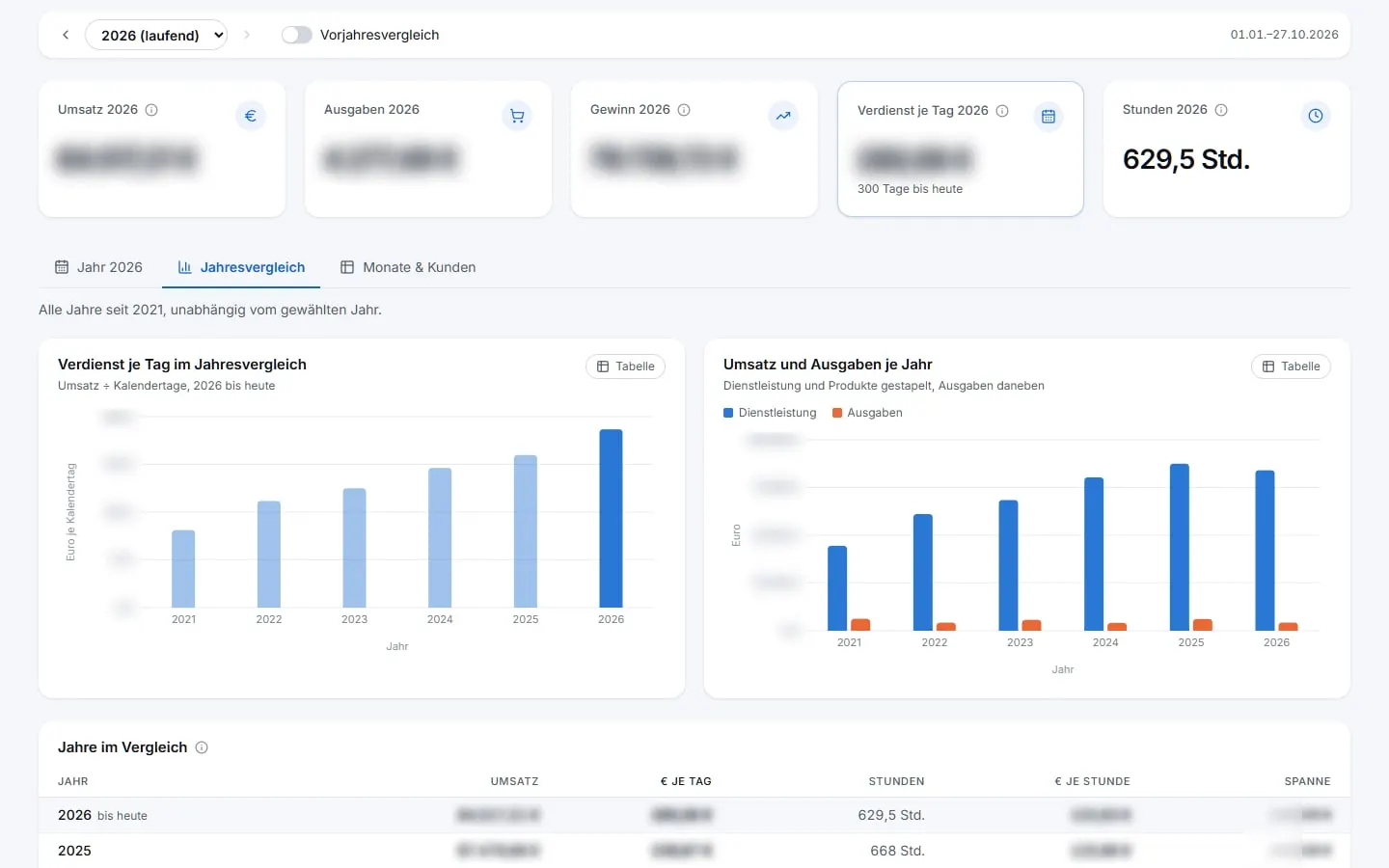
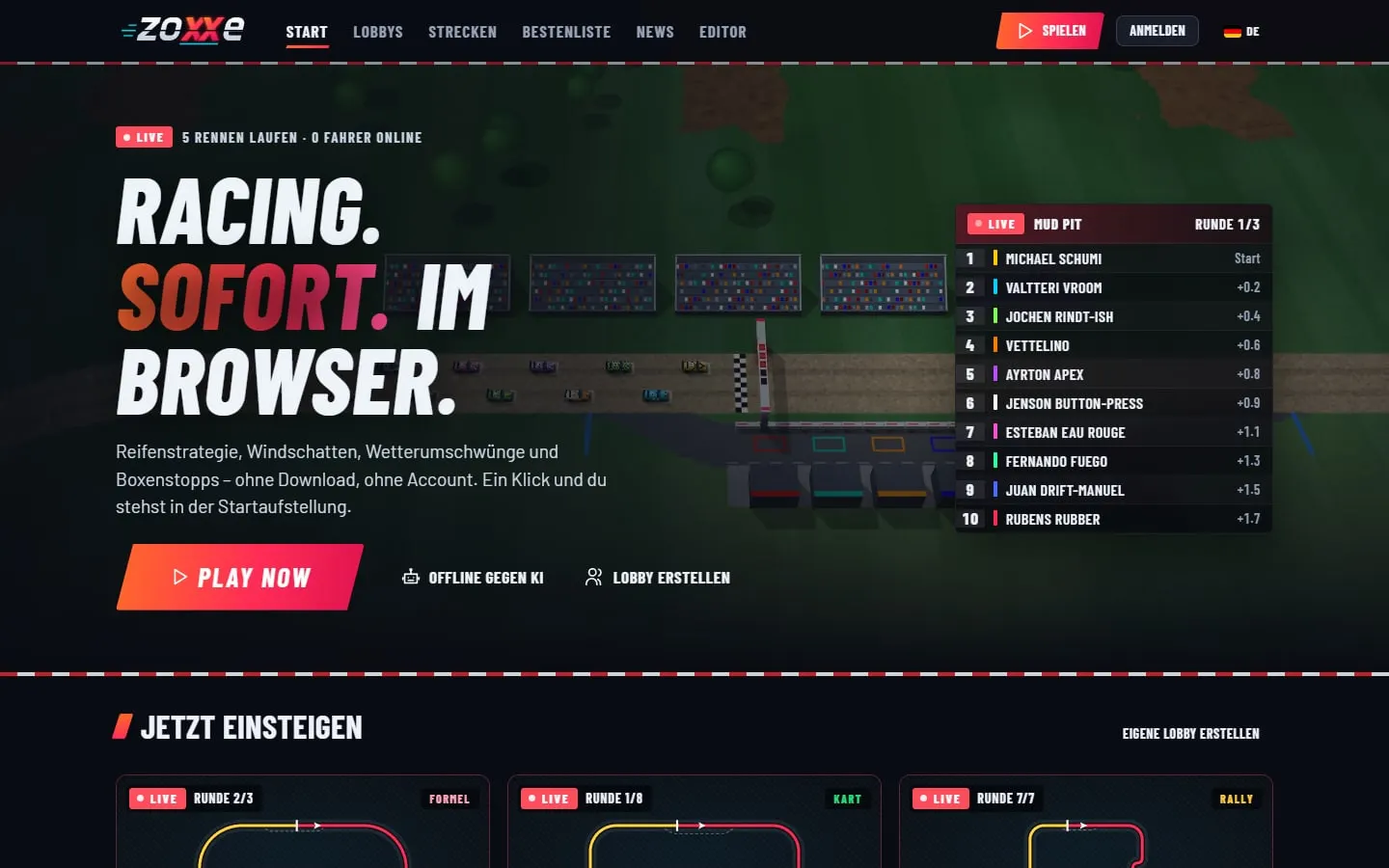
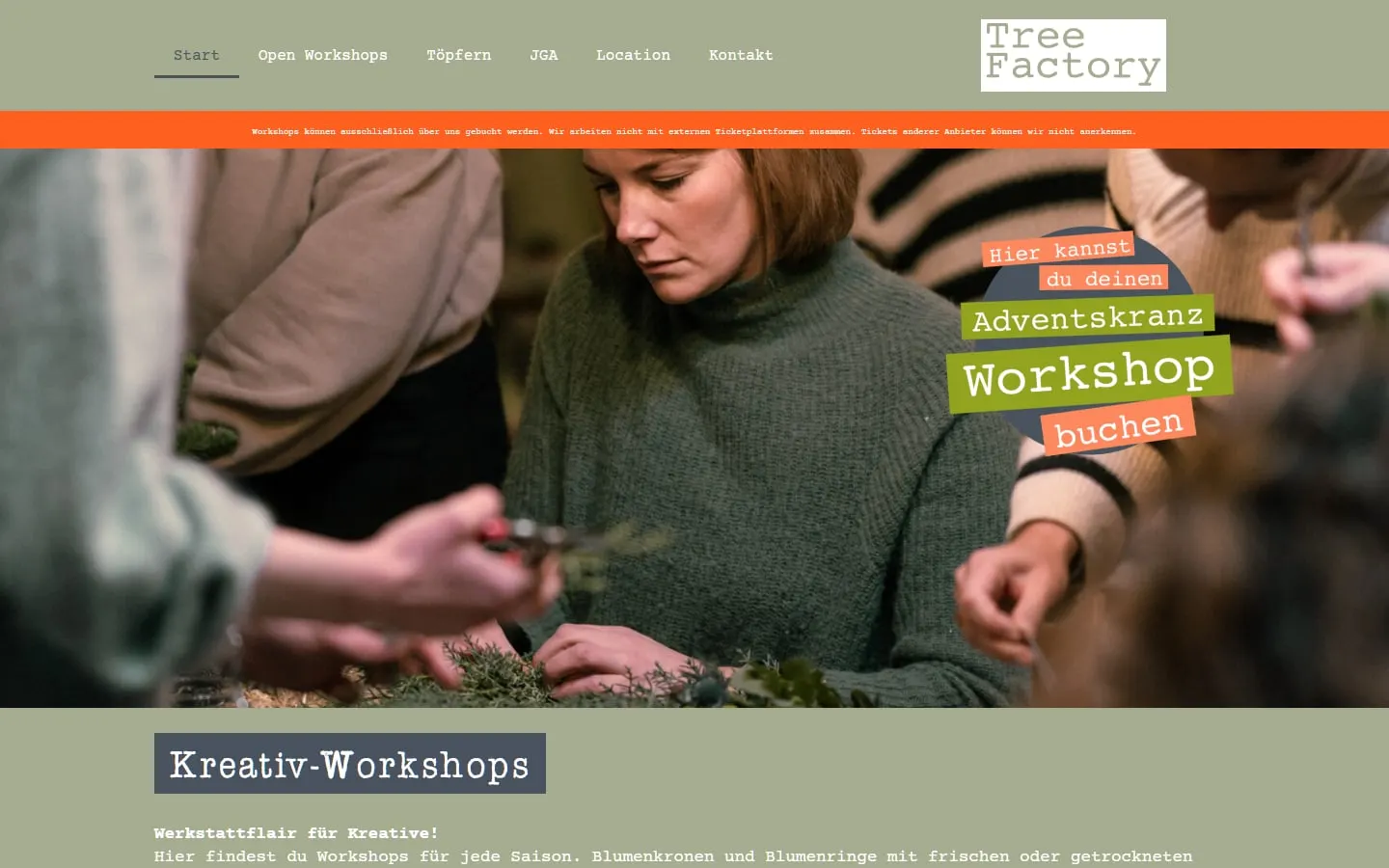
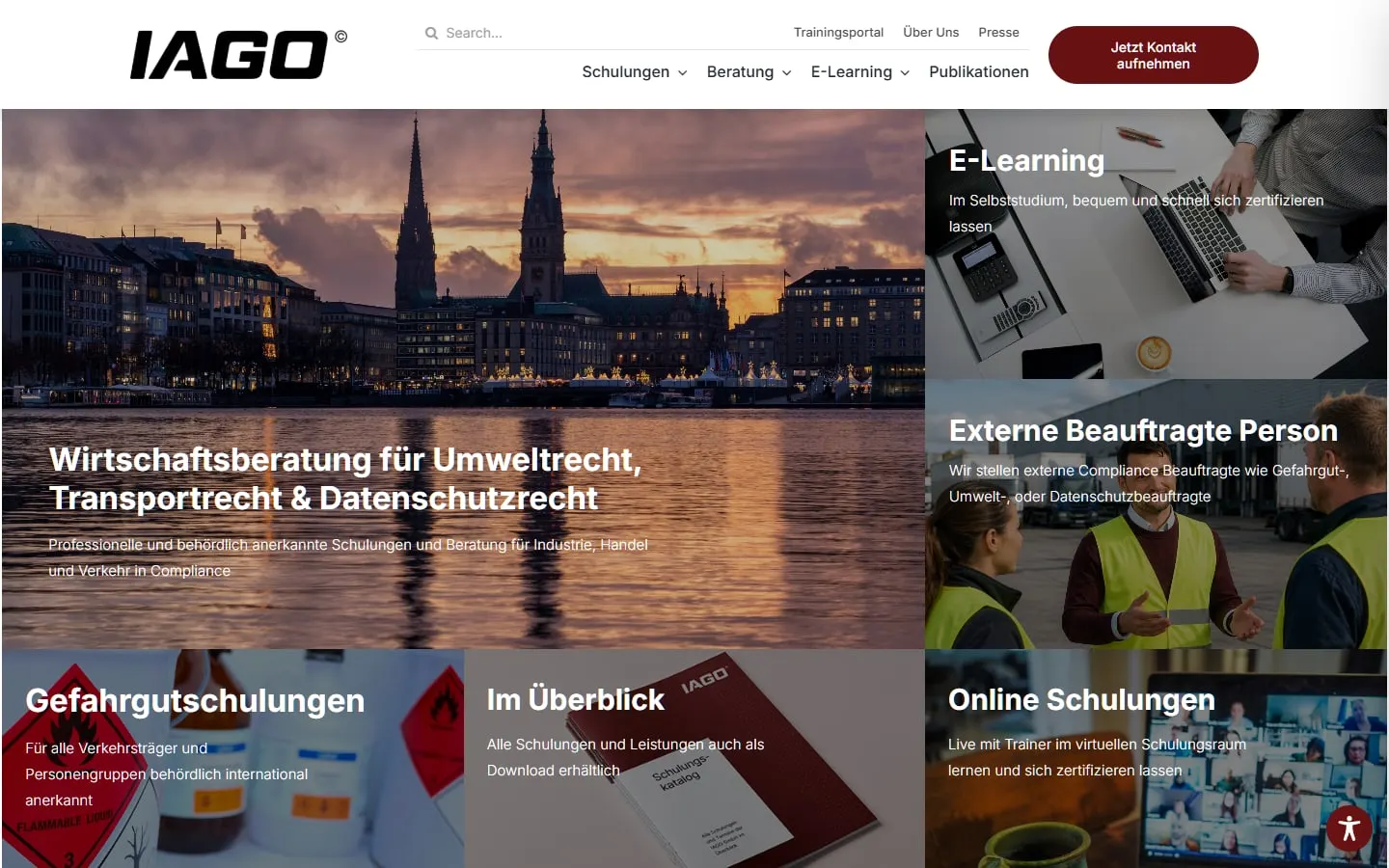
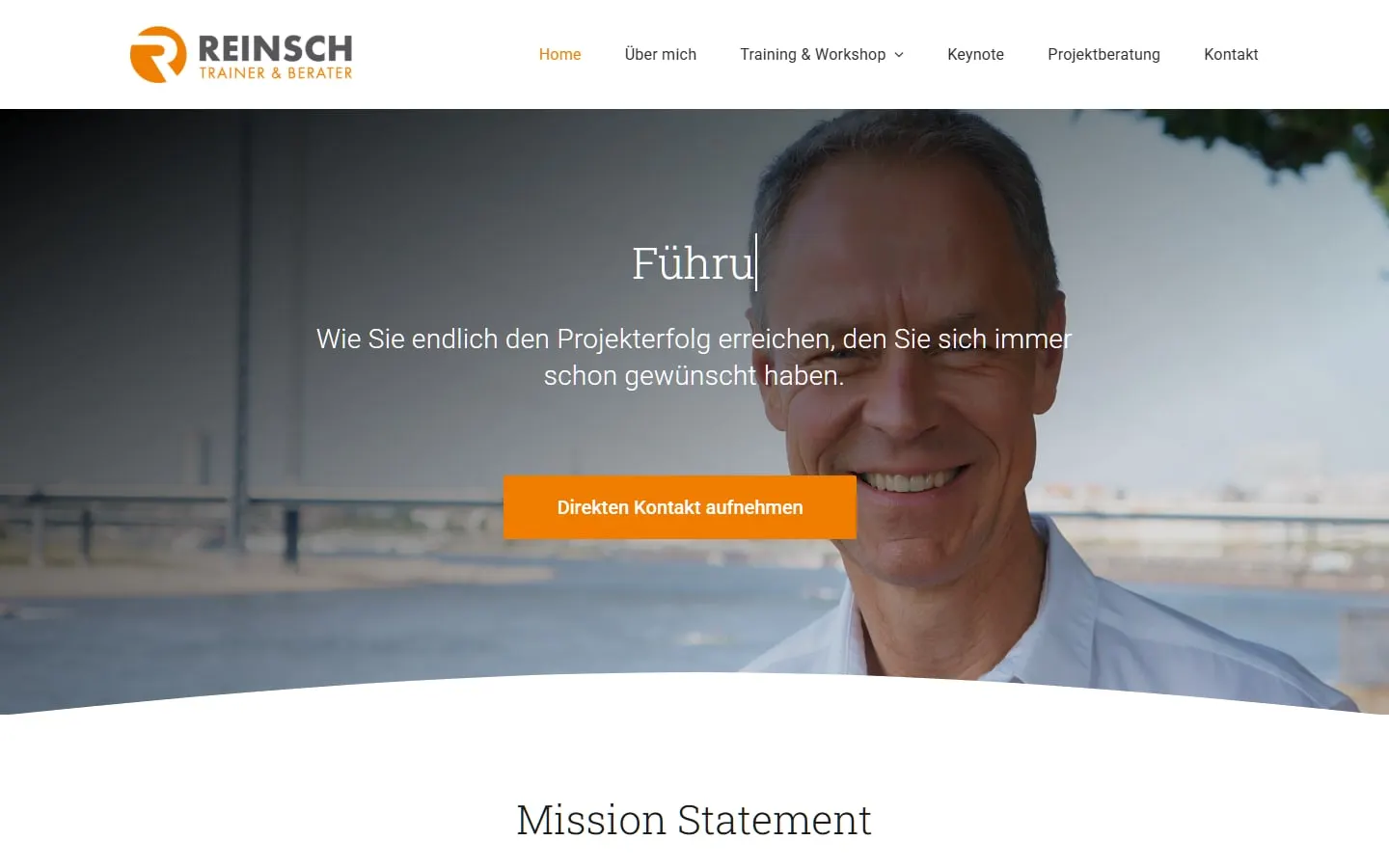
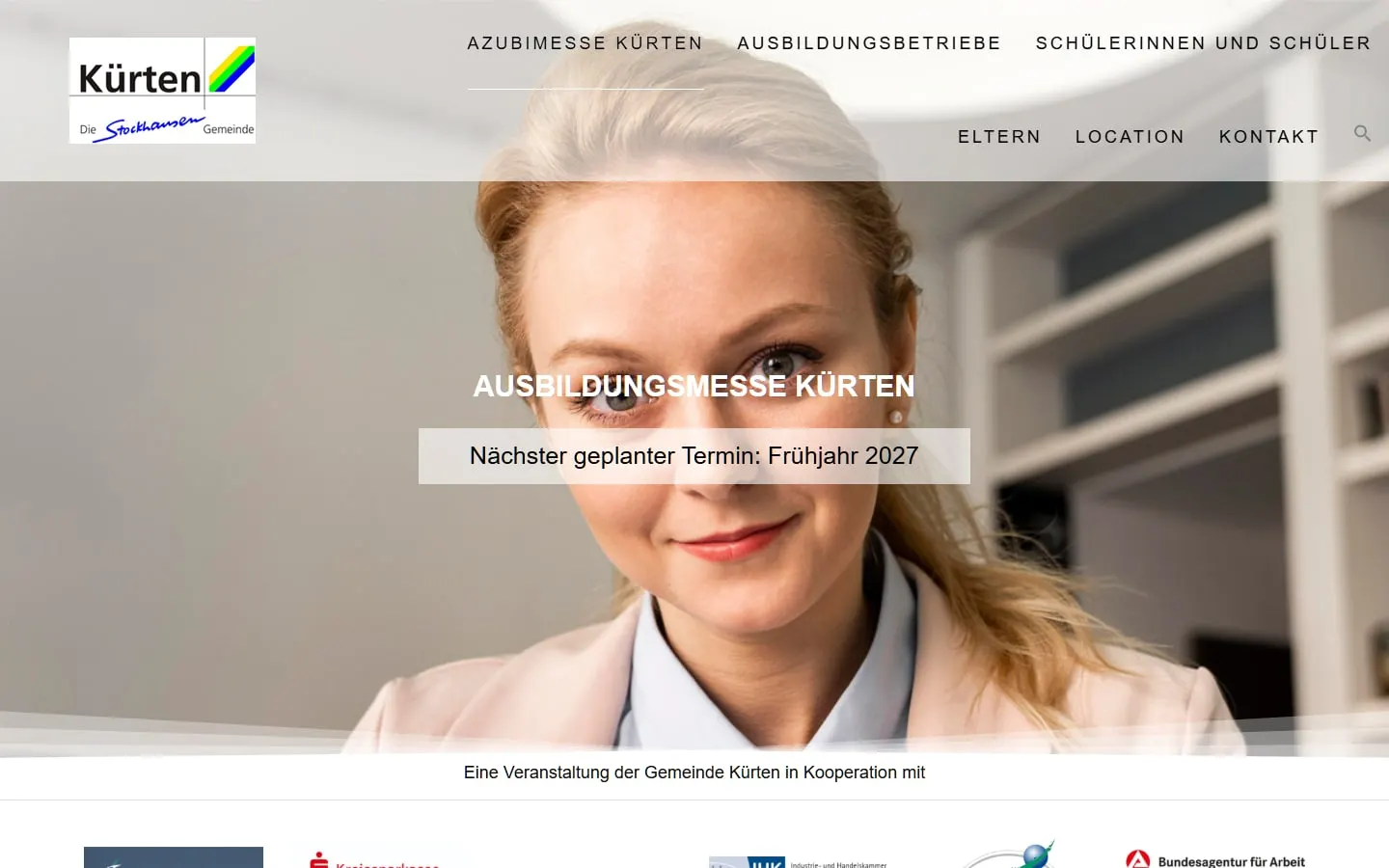
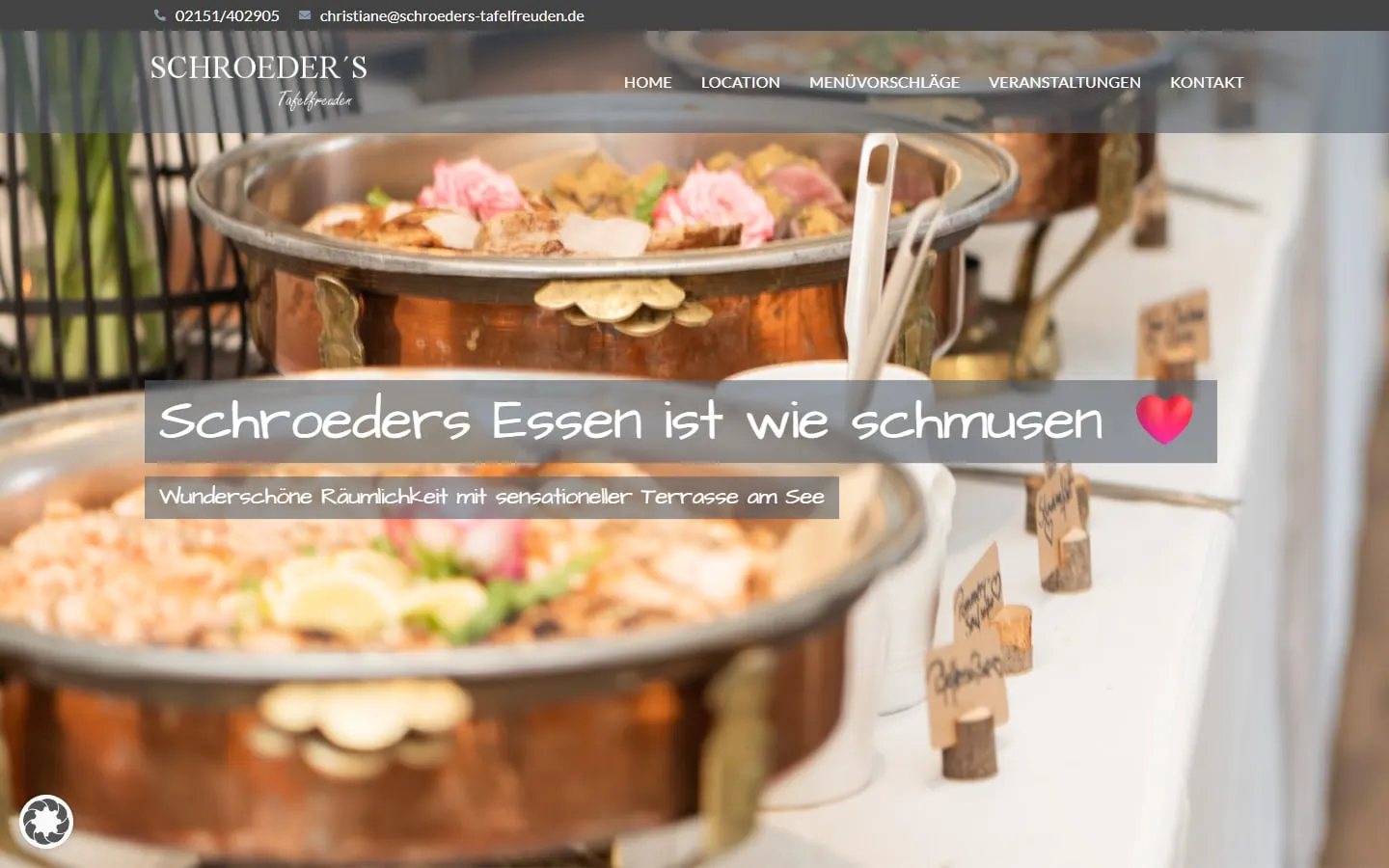
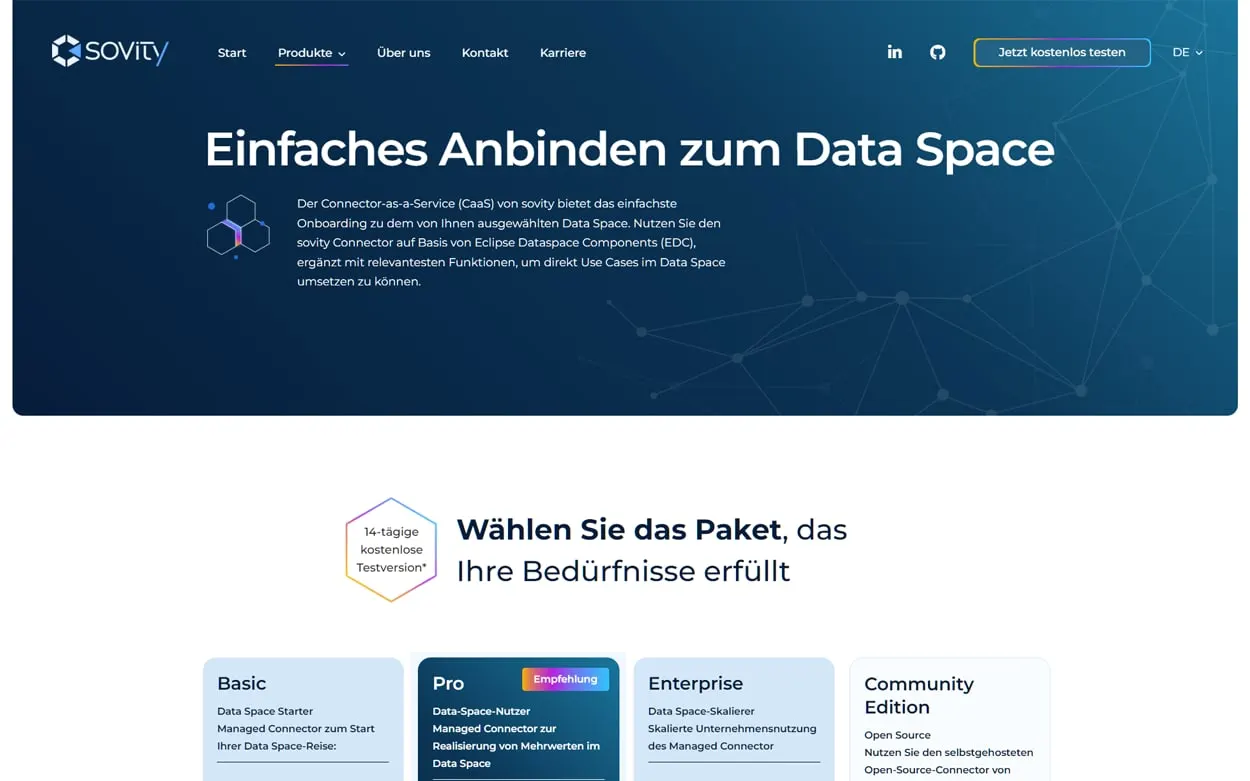
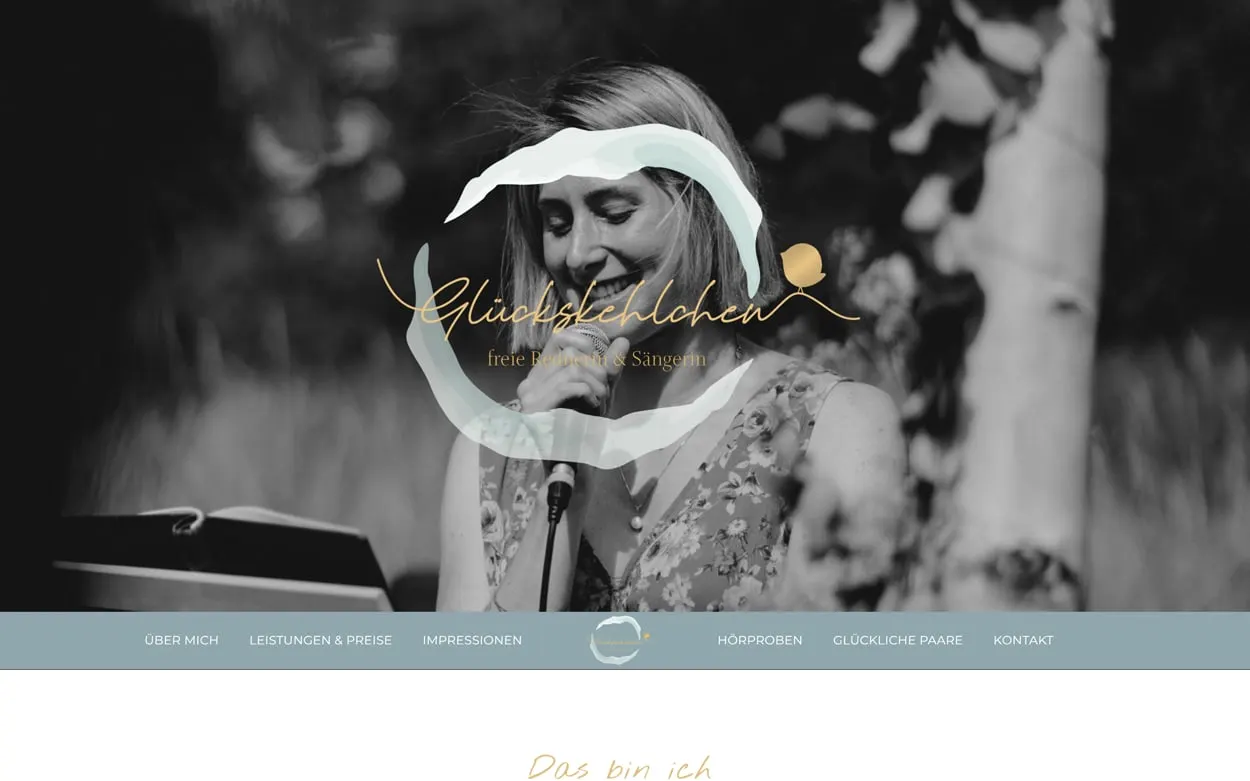
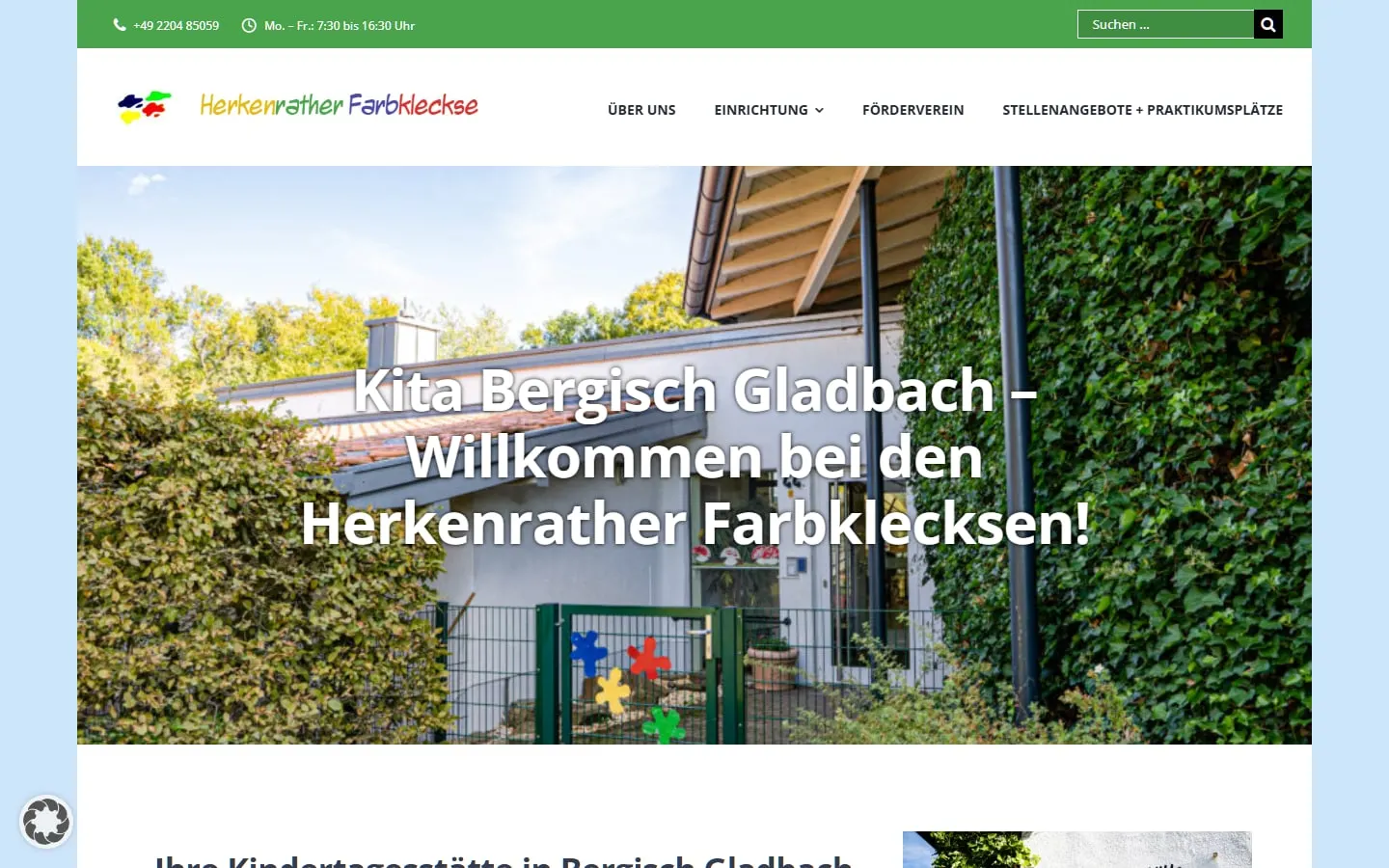
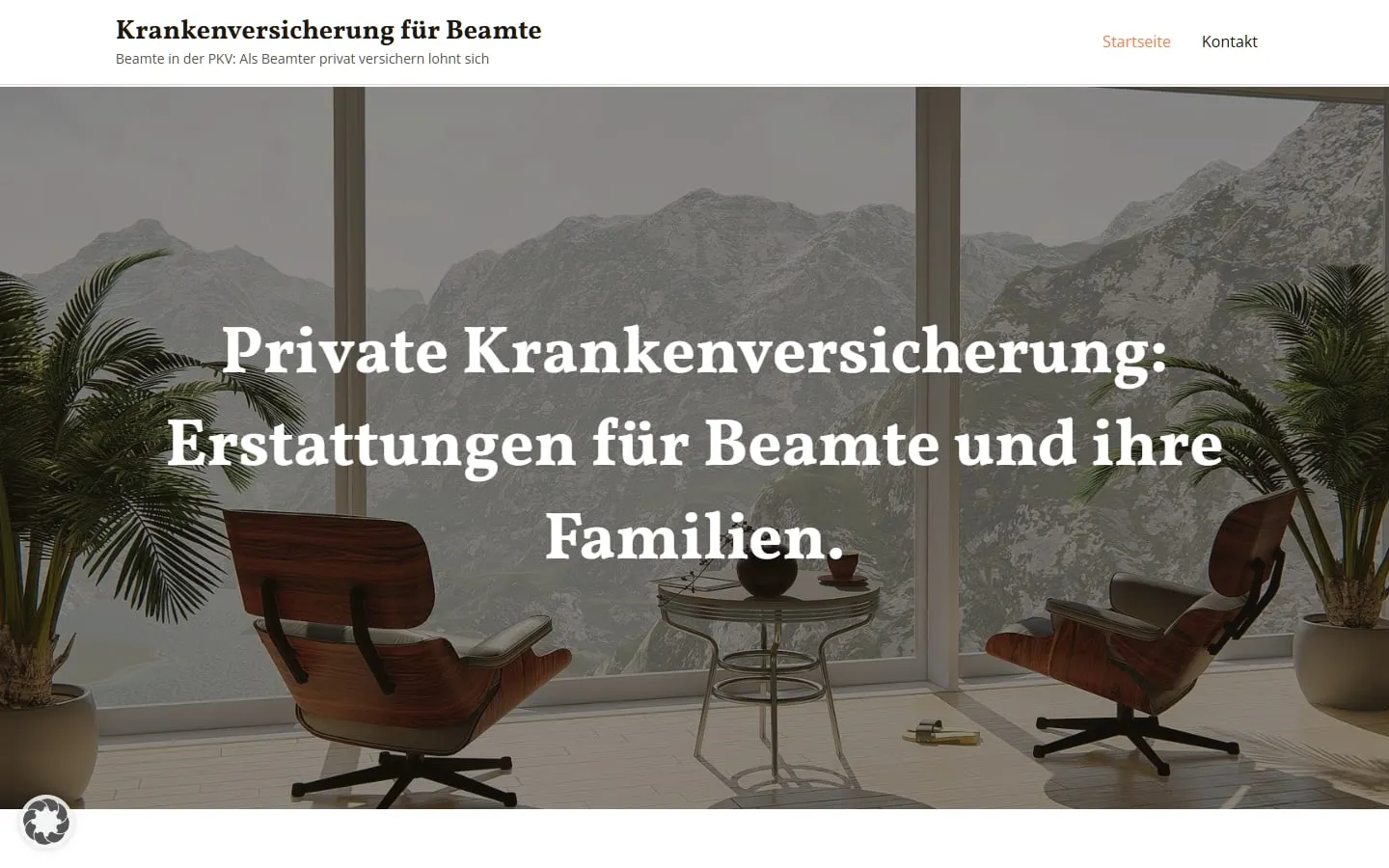
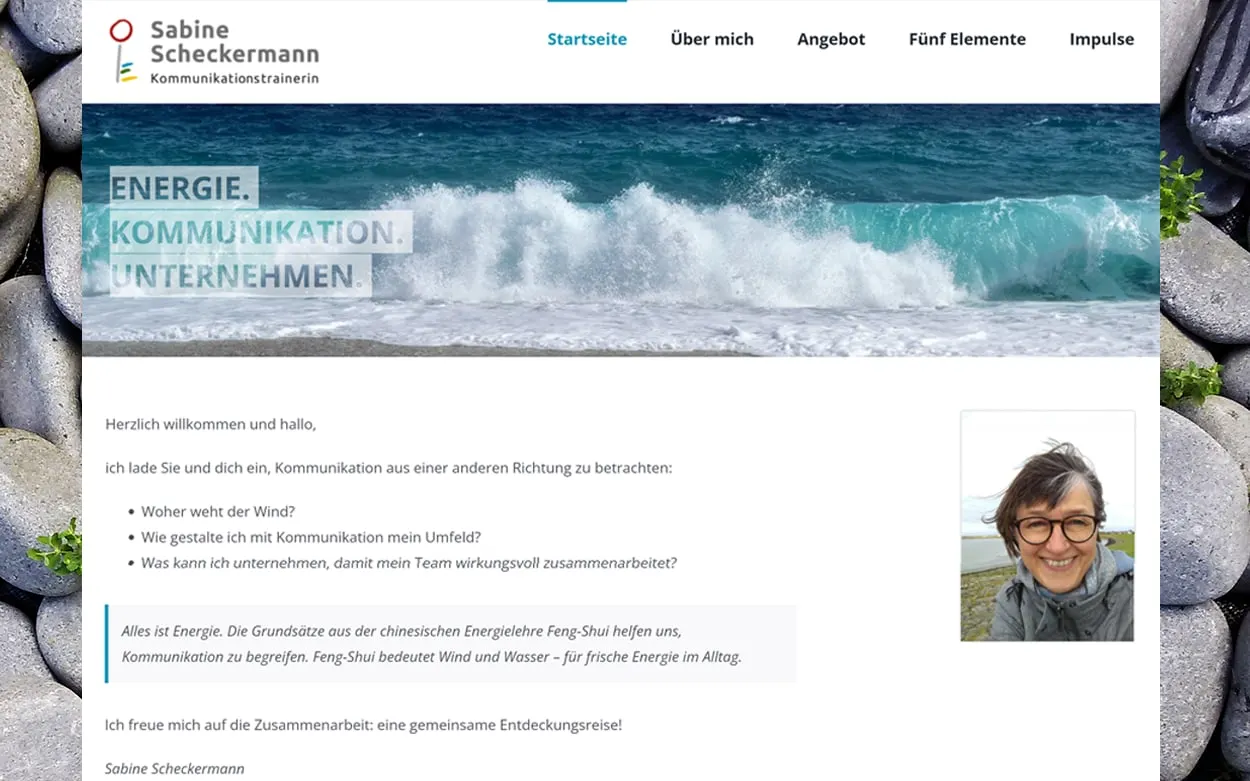
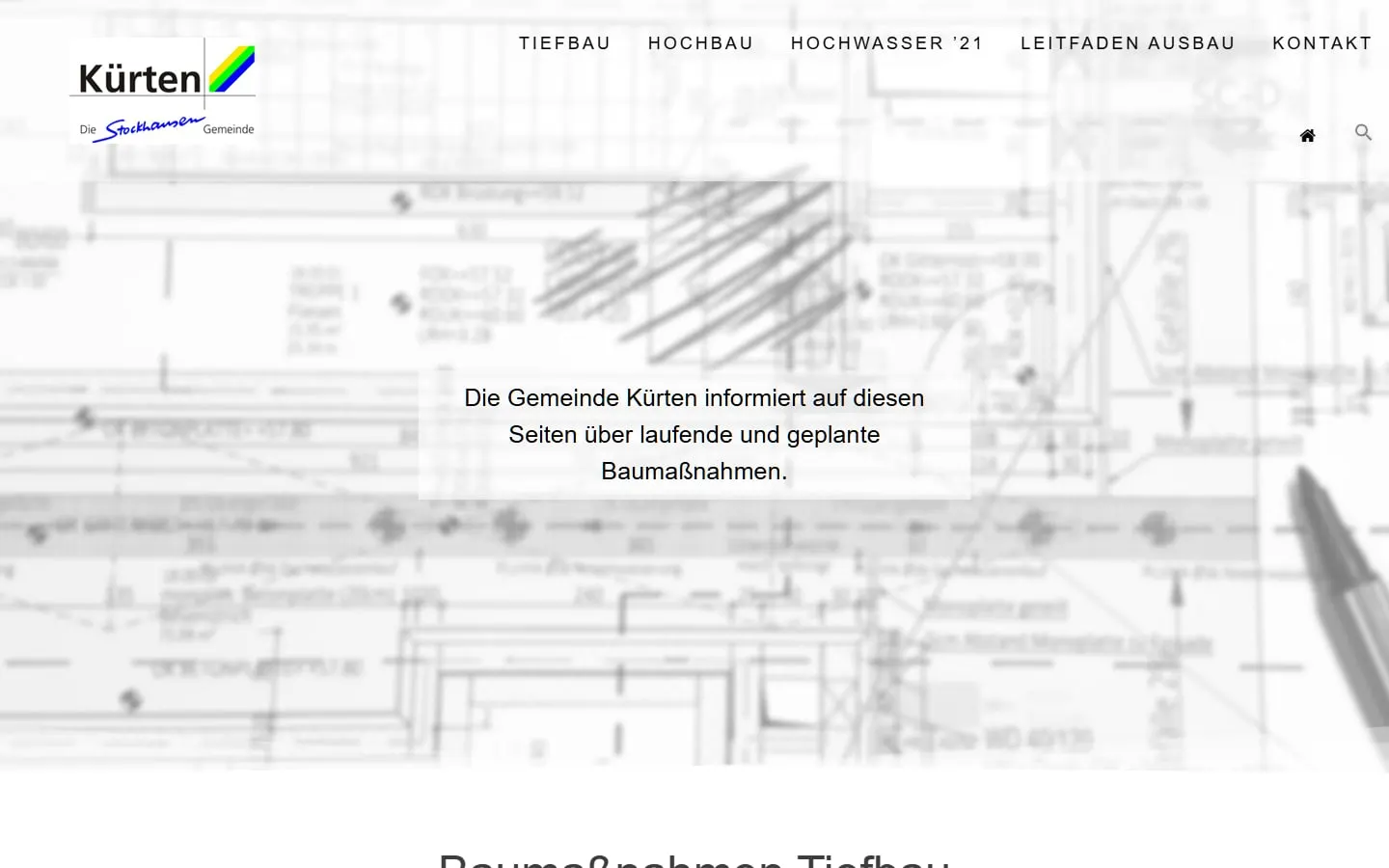
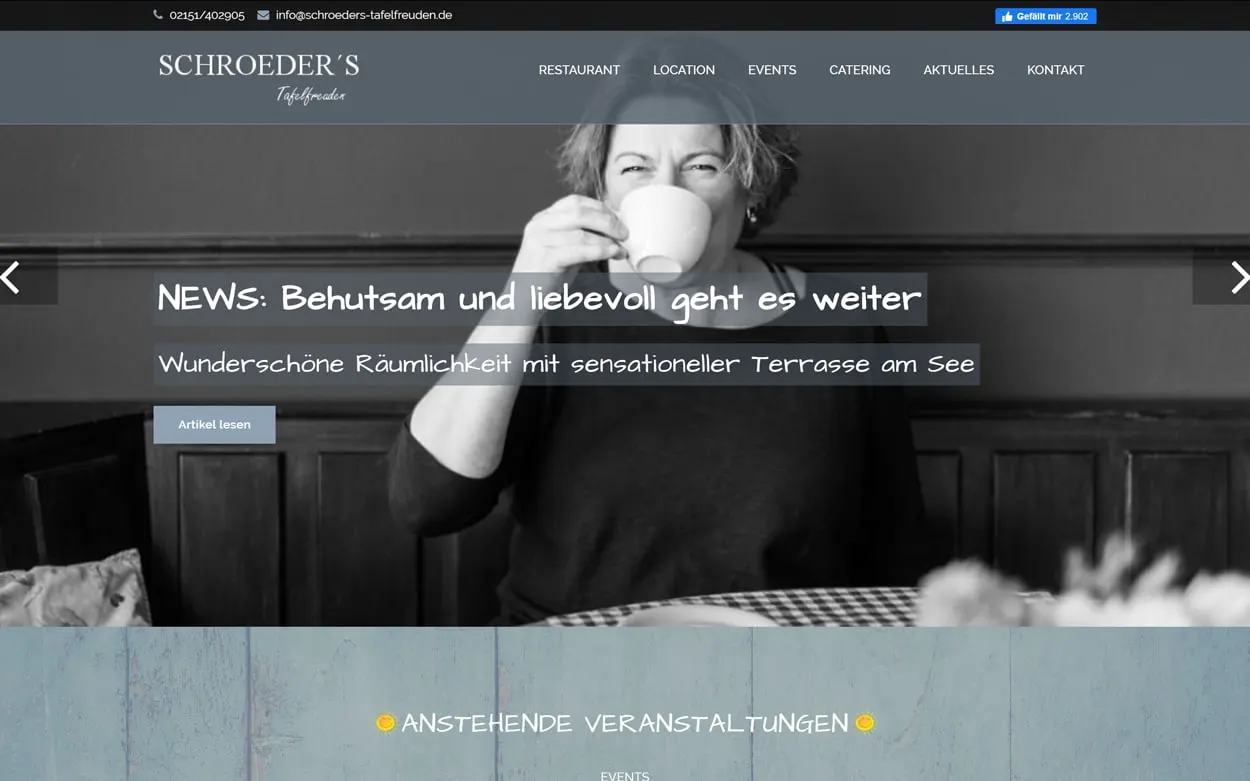
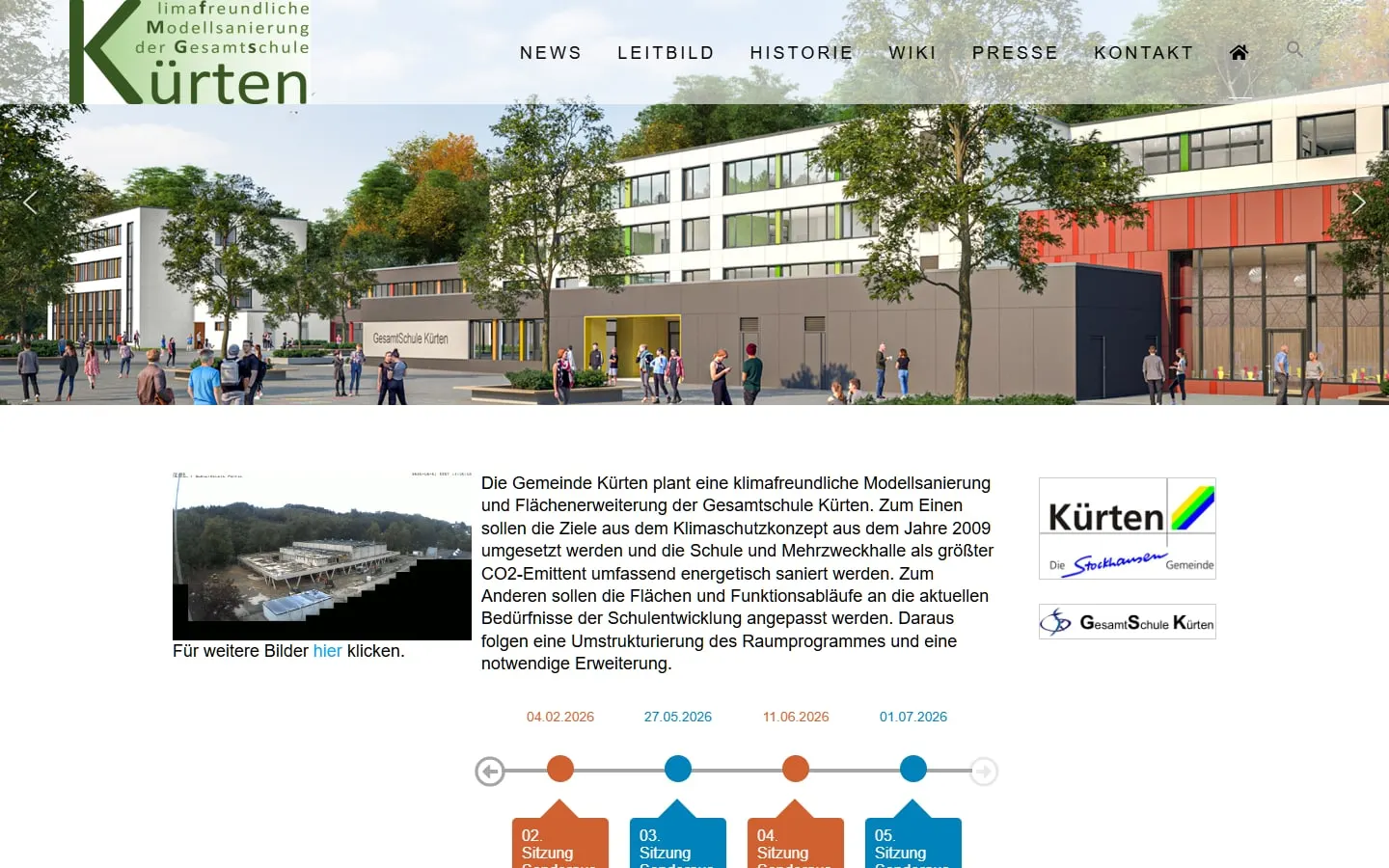
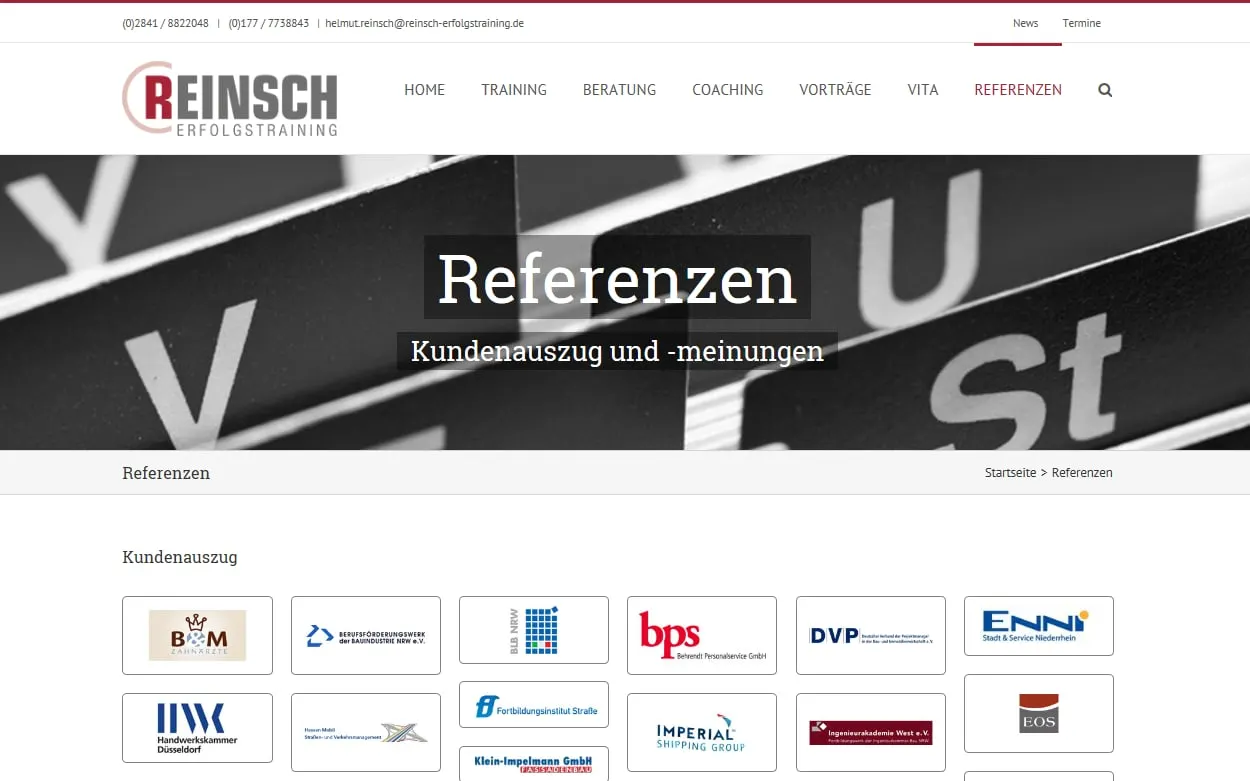
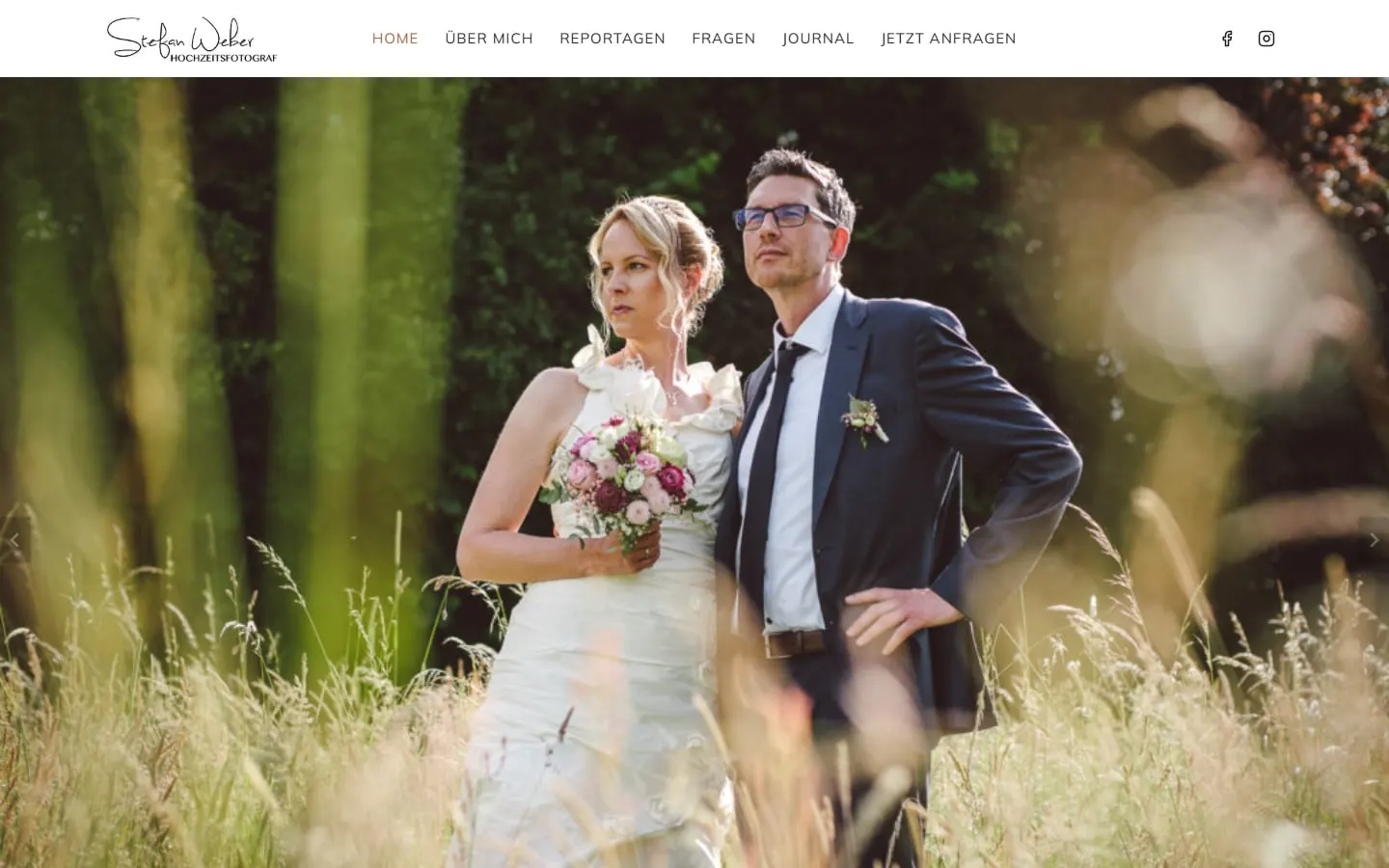
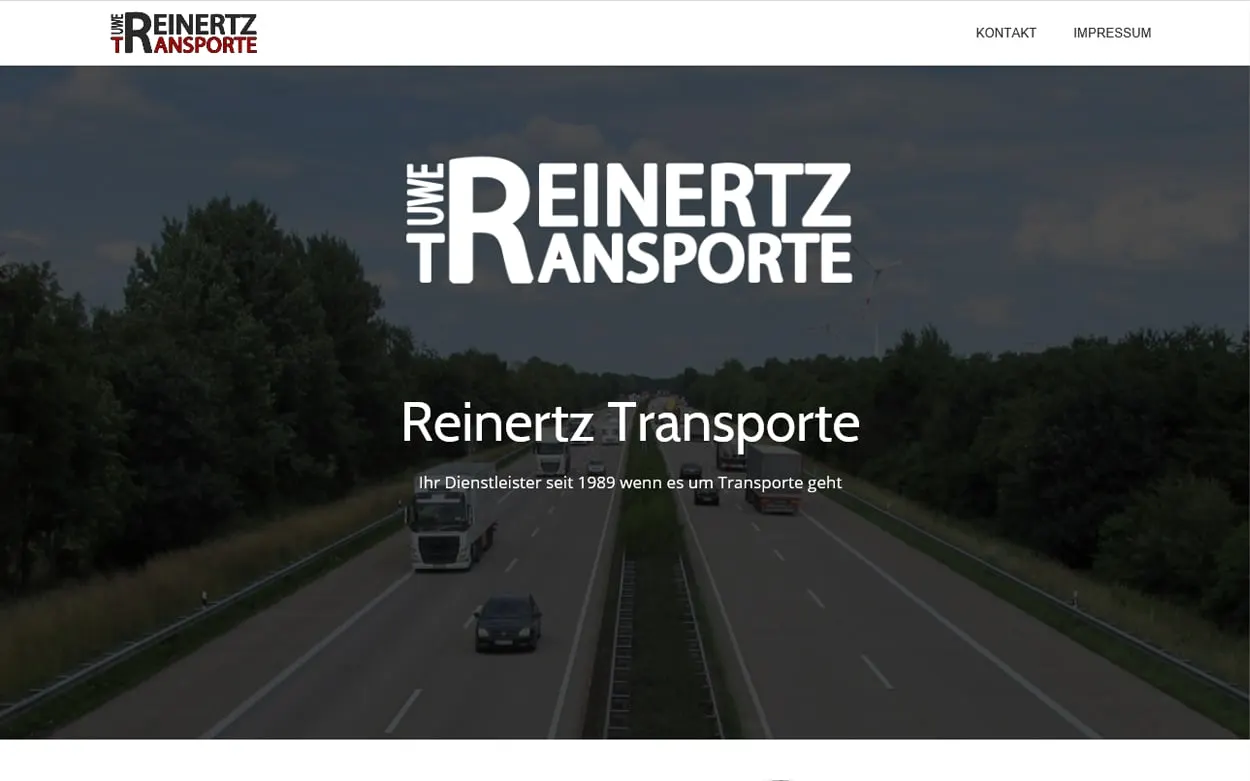
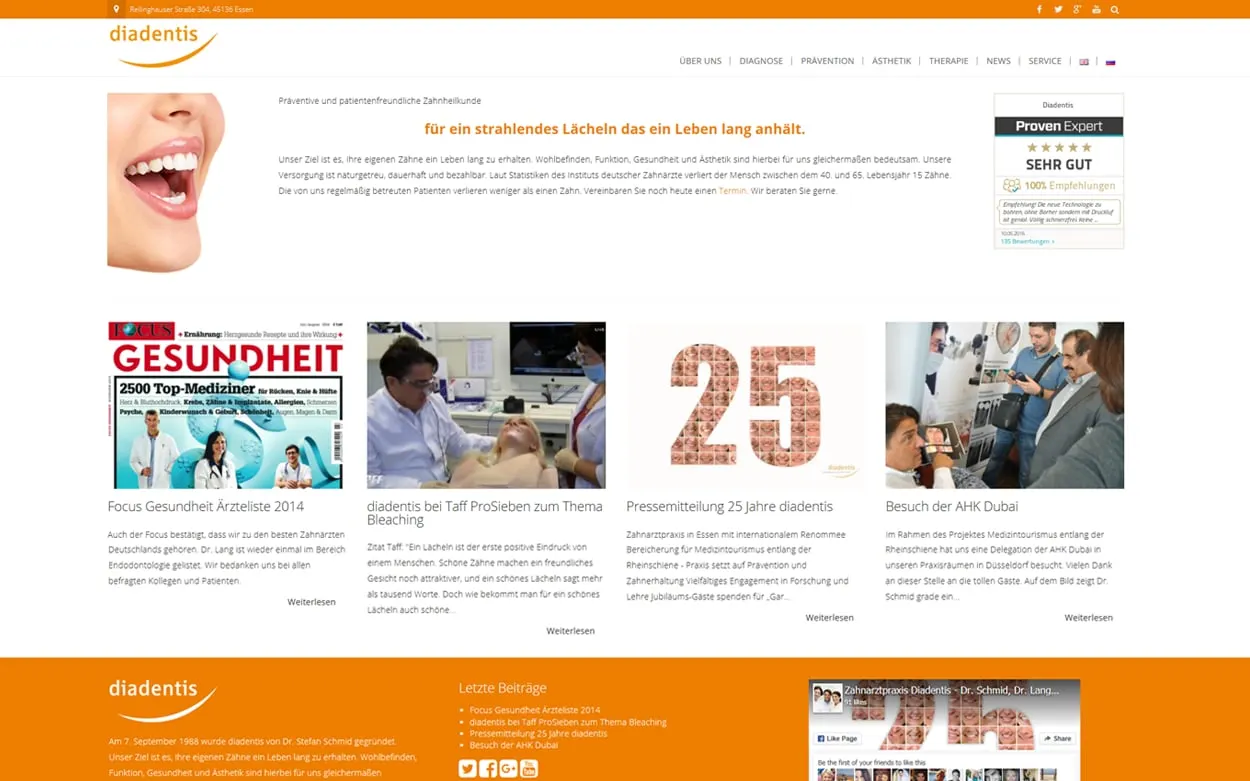
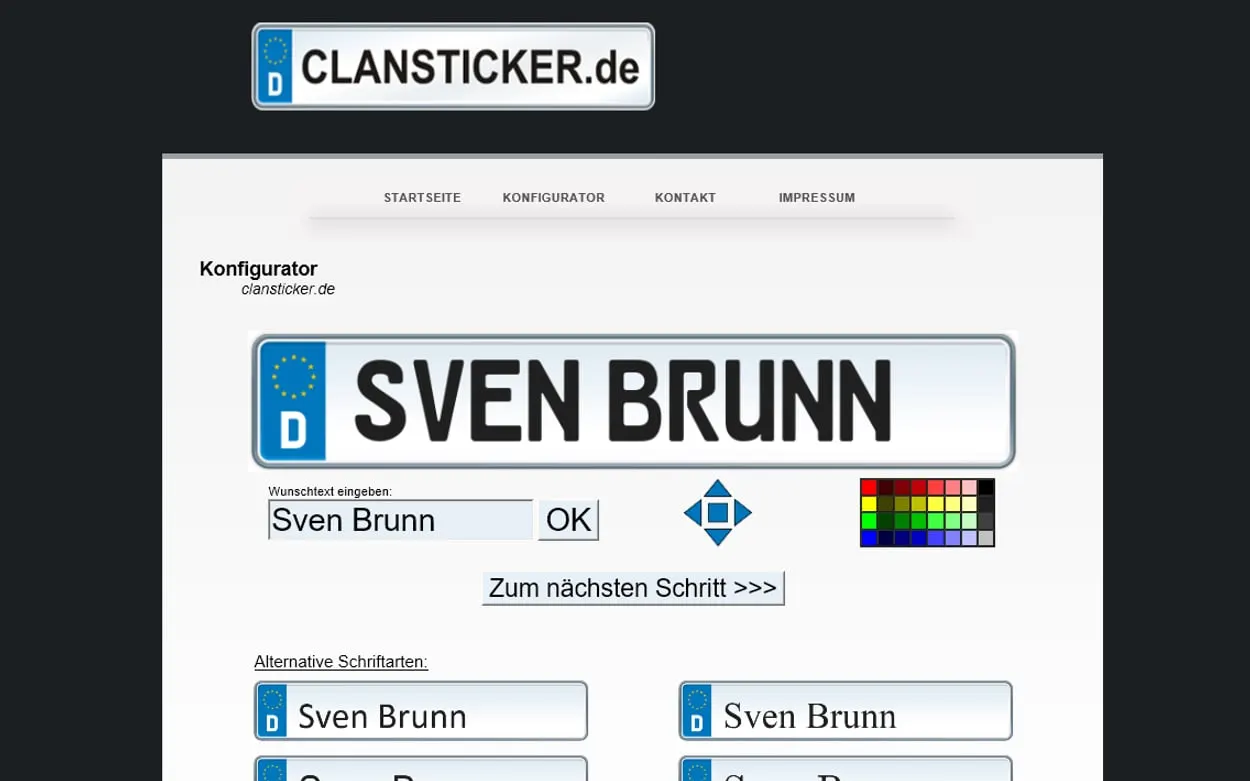
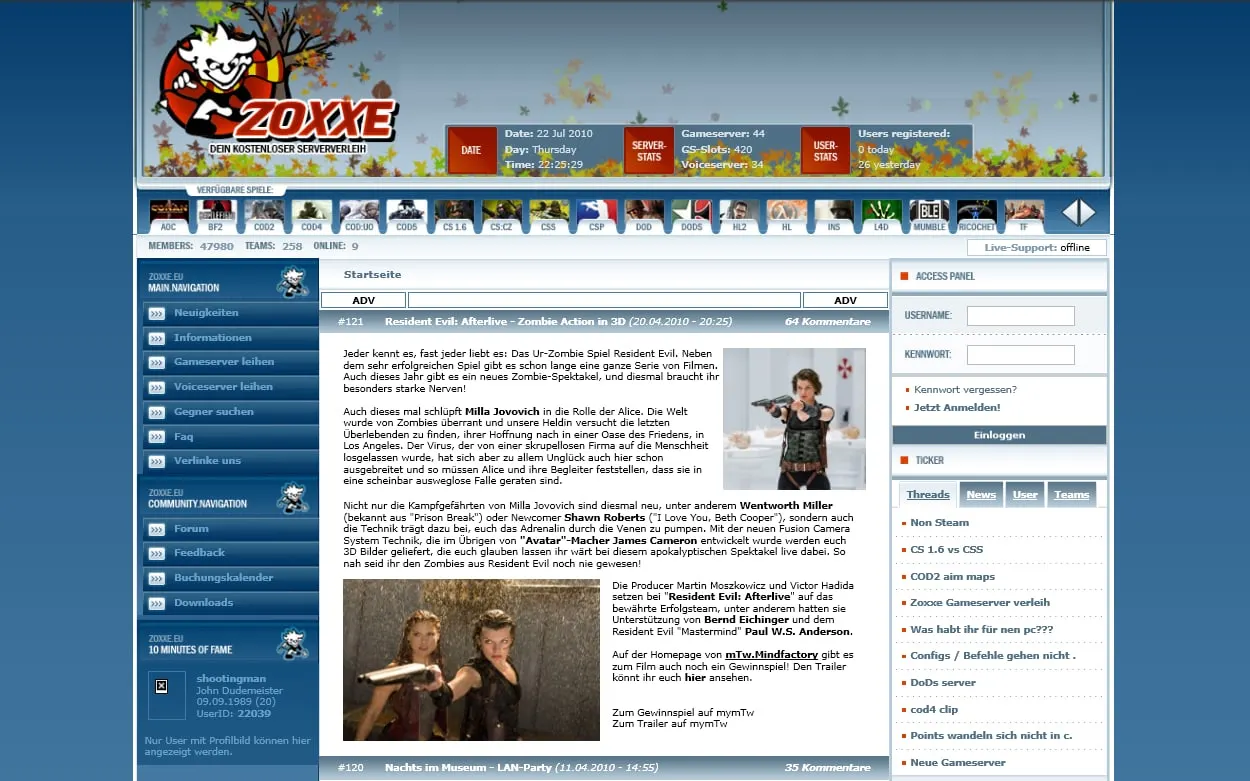
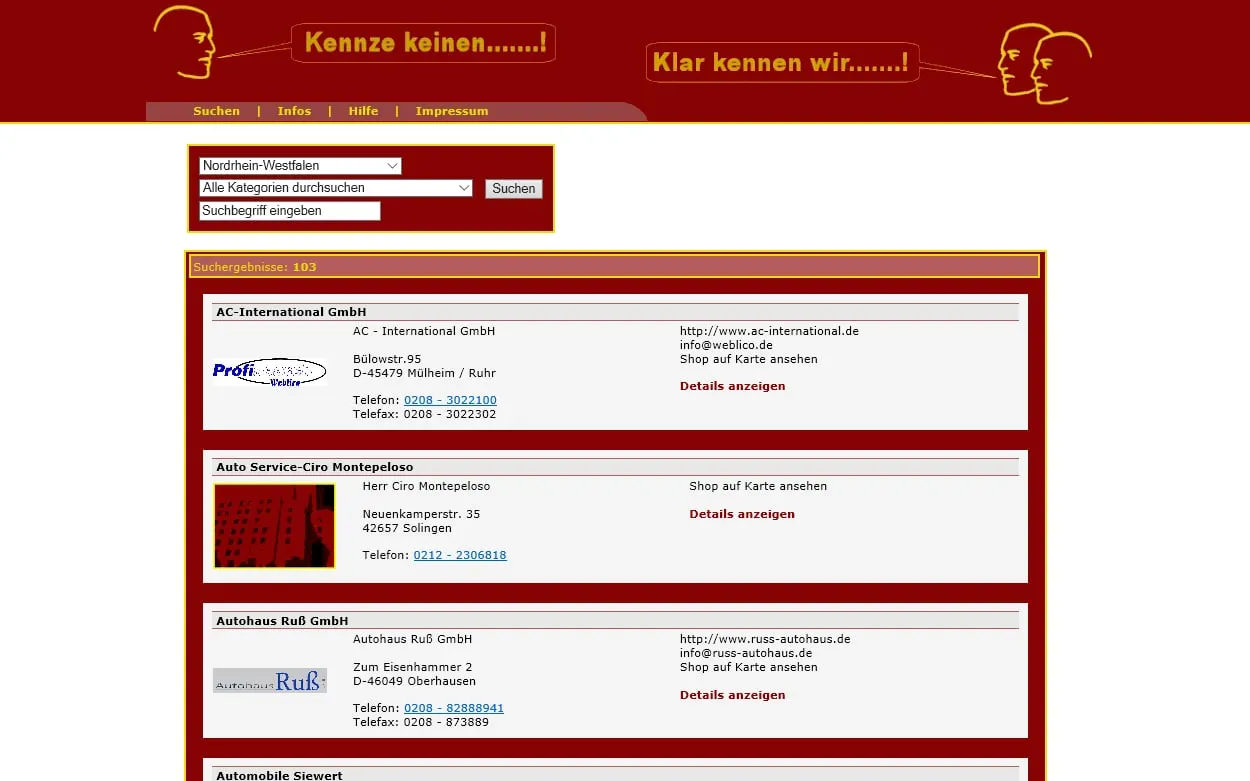
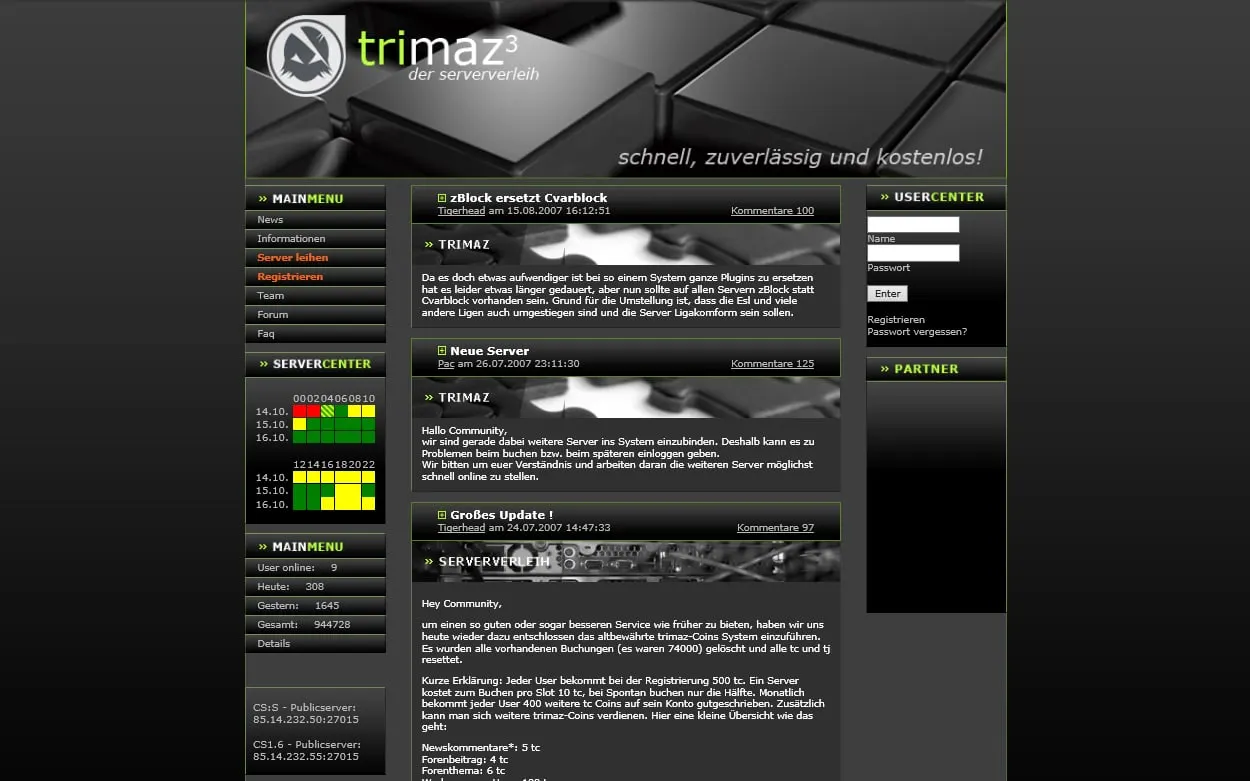
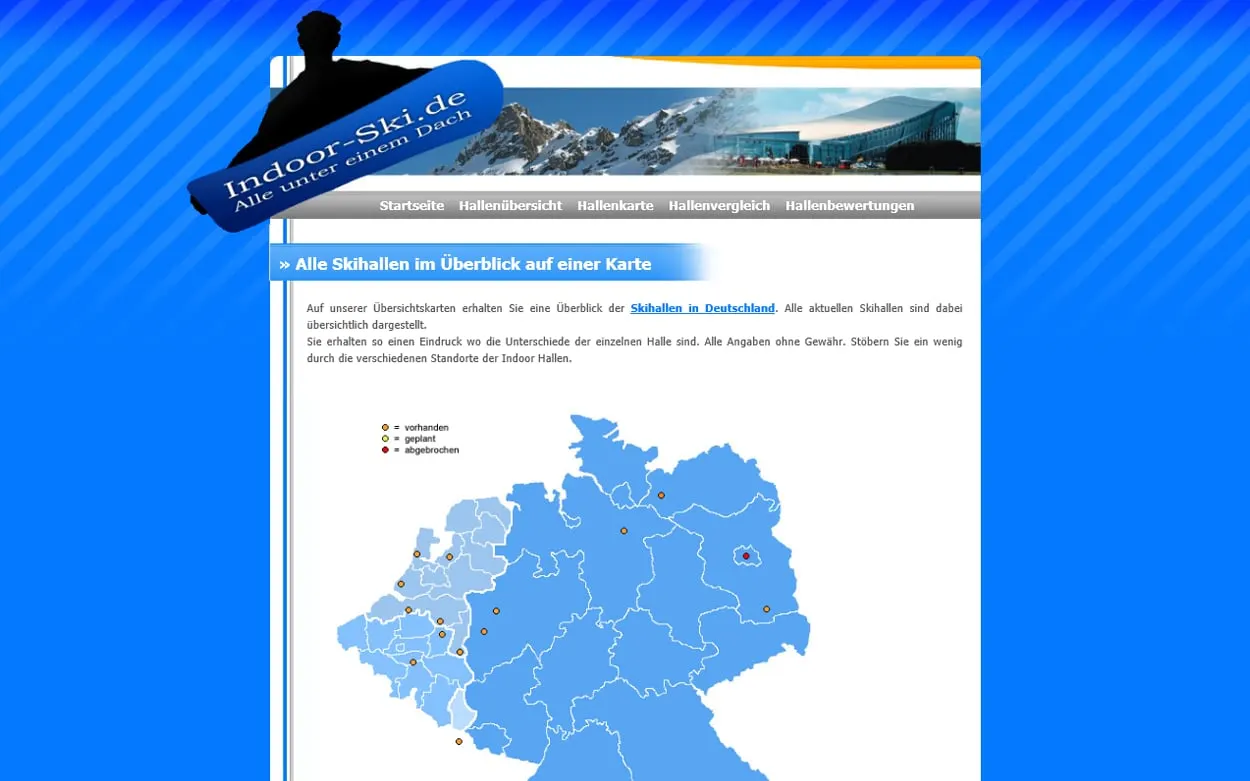
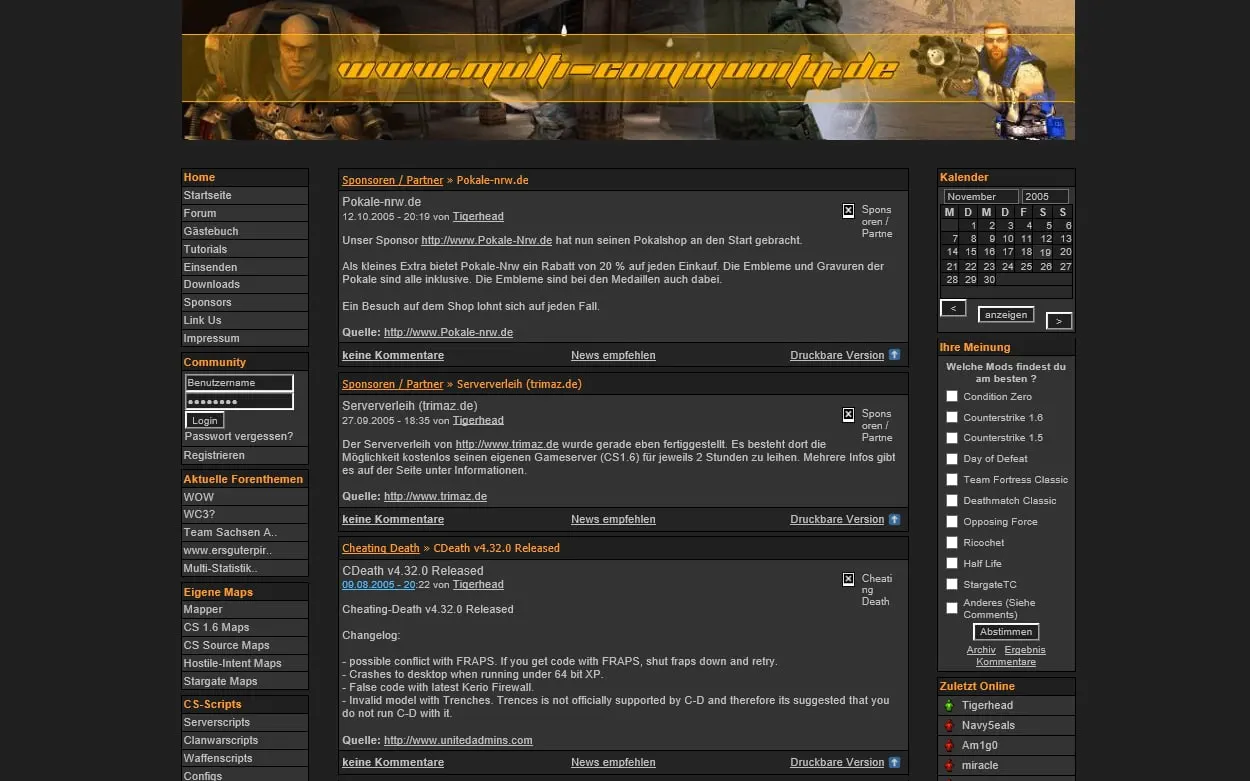
A cross-section of over twenty years — from my own community projects to corporate websites and brand identity through to a data platform with AI. Filterable by scope; the larger systems have their own project page.

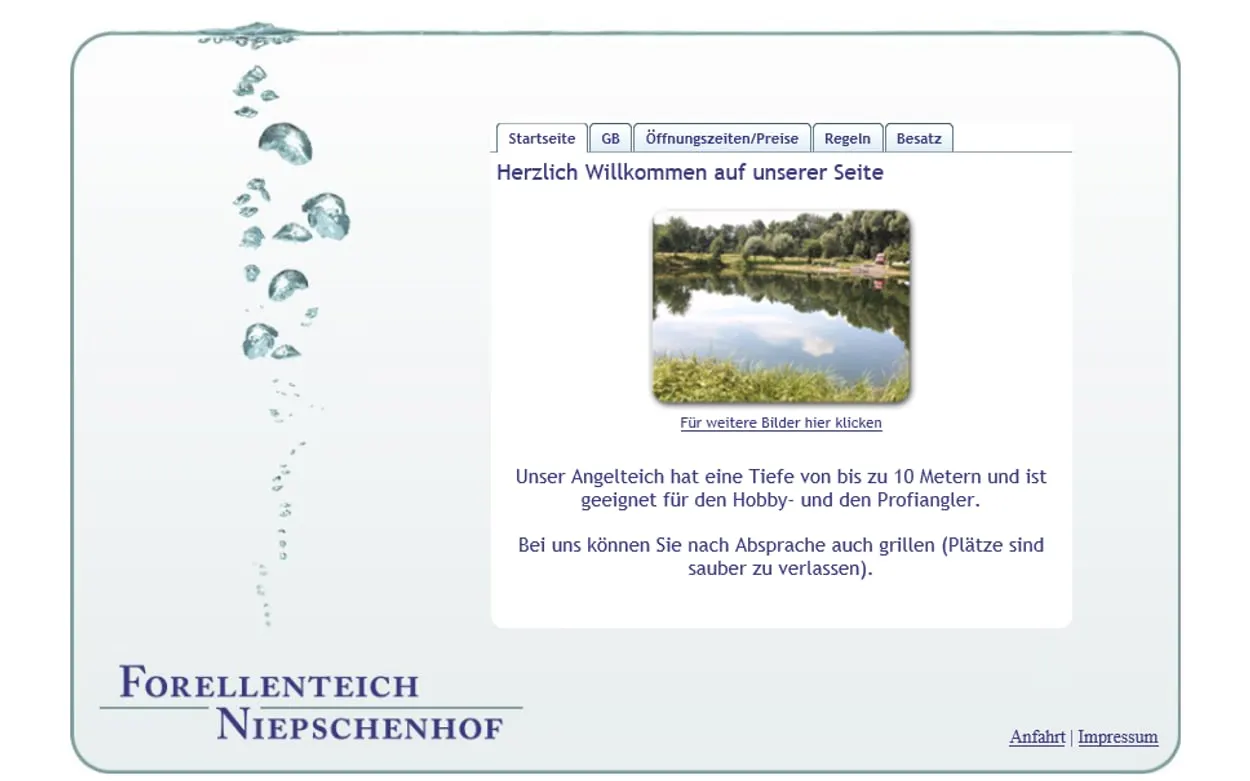
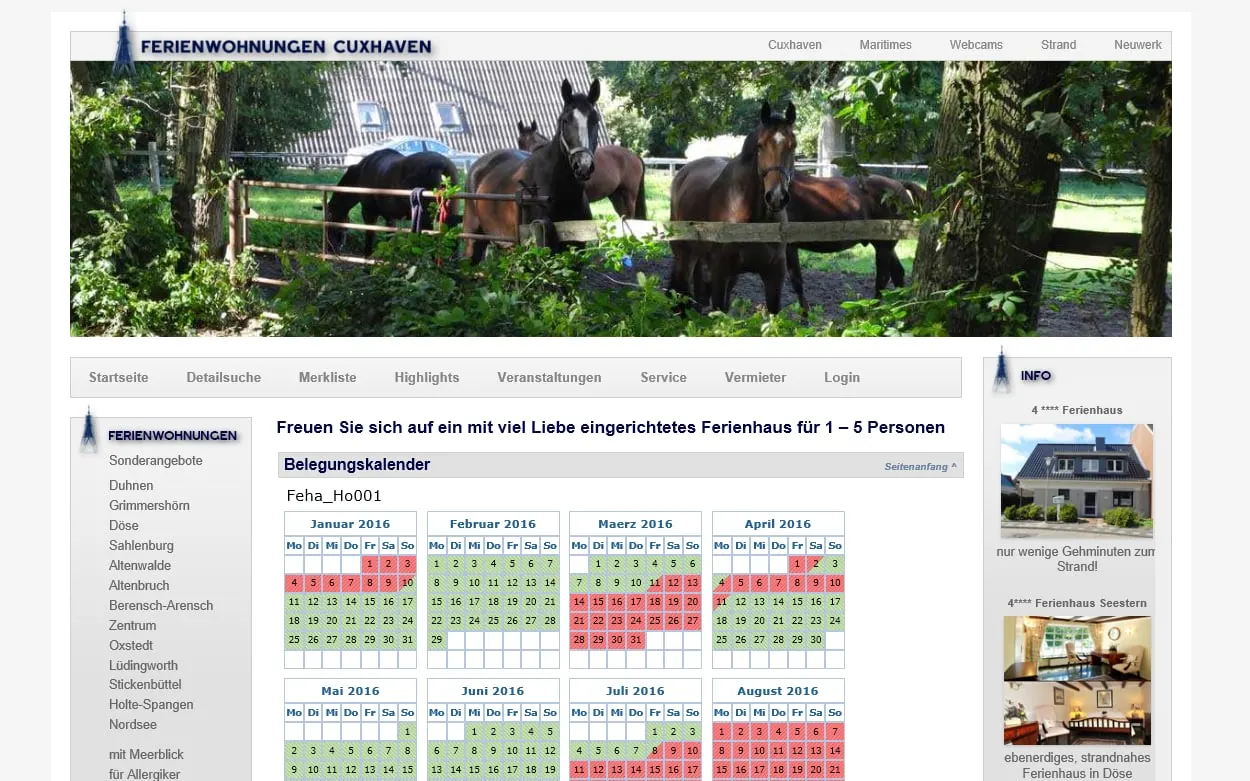
Website screenshots as of October 2026. Images marked “Archive” show the state at handover — those addresses now show a newer site or none at all. Further references and details gladly on request.

Process

No project ends at handover.

How working together usually runs — four steps, with no surprises in between.

  1. 01

    Understand

    First I look at what you actually do today and where it breaks down. Without having already decided which tool it is going to be.

  2. 02

    Plan

    You get a route to the solution with a clear scope, effort and sequence. You know up front what happens, what it costs and what is deliberately left out.

  3. 03

    Build

    I build in manageable steps and show intermediate results rather than disappearing for months. Changes are far cheaper early than at the end.

  4. 04

    Operate

    Servers keep running, data changes, requirements grow. I stay reachable — maintenance does not get handed off to an anonymous support queue.

Portrait of Sven Brunn
Sven Brunn Owner · Sven Brunn Mediasolutions

About

Sven Brunn

I have been working on digital projects for nearly twenty years. It started with websites; today the work spans the whole chain — from setting up the server to the figure on the dashboard.

What sets me apart from pure developers: I do not hand a project over at the system boundary. If the application needs deliverable email, I set it up. If the data is messy, I remodel it. If the analysis is missing at the end, I build it.

You work with me directly, without a project management layer in between. That keeps the routes short, the decisions fast and the responsibility unambiguous.

Location
Neuss near Düsseldorf
Working style
On site in the Rhineland, remote across DACH
Languages
German, English
Focus
Infrastructure, data, web, reporting

Contact

Tell me about your project.

A few sentences are enough to start. I usually reply within one working day — with an honest assessment, even when I am not the right person for the job.

Prefer email? Just write to info@sven-brunn.de